December 4, 2024
Wine Tasting Like A Pro
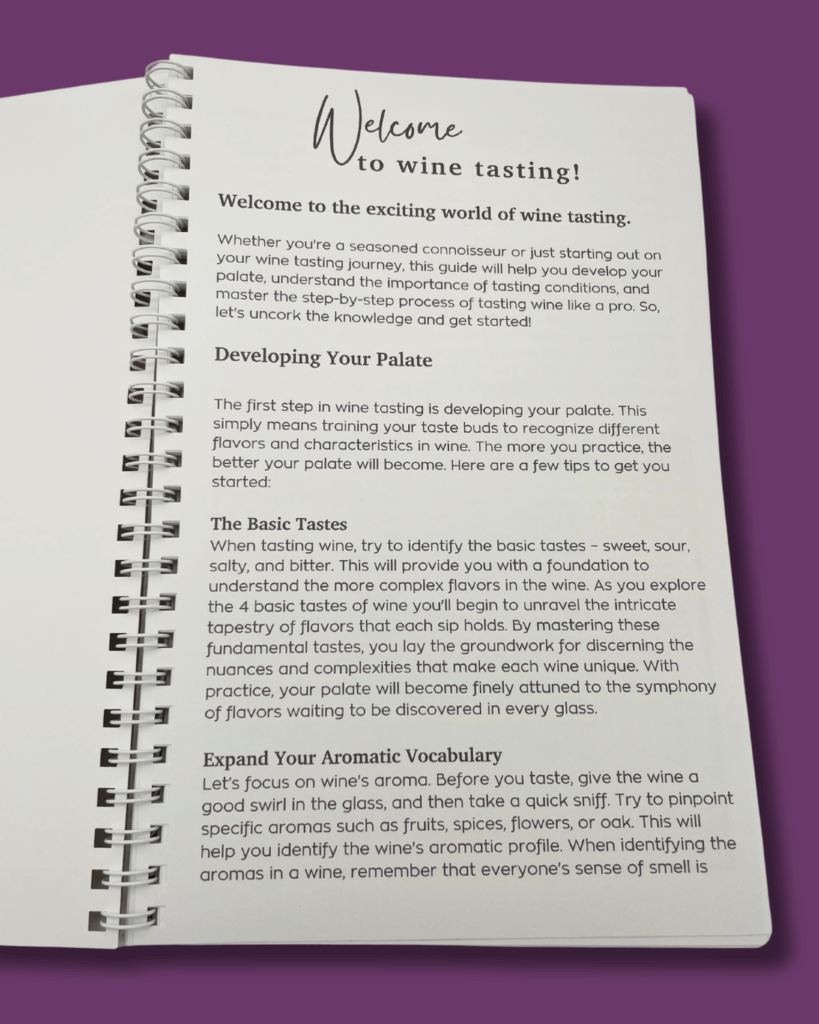
Welcome to the exciting world of wine tasting! Whether you're a seasoned connoisseur or just starting out, this guide will help you develop your palate. Additionally, you'll begin to understand the importance of tasting conditions and master the process of wine tasting. So, let's uncork the knowledge and get started!
Developing Your Palate
The first step in wine tasting is developing your palate. This simply means training your taste buds to recognize different flavors and characteristics in wine. In this situation, the more you practice, the better your palate will become.
The Basic Tastes:
When tasting wine, try to identify the basic tastes – sweet, sour, salty, and bitter. This will provide you with a foundation to understand the more complex flavors in the wine. Furthermore, as you explore the basic tastes of wine you'll begin to unravel the intricate tapestry of flavors in each sip. Consequently, by mastering these fundamental tastes, you begin to discern the nuances and complexities that make each wine unique. With practice, your palate becomes finely attuned to the symphony of flavors waiting to be discovered in every glass.
Expand Your Aromatic Vocabulary:
Let’s focus on wine's aroma. Before you taste, give the wine a good swirl in the glass, and then take a quick sniff. Try to pinpoint specific aromas such as fruits, spices, flowers, or oak. This will help you identify the wine's aromatic profile. When identifying the aromas in a wine, remember that everyone's sense of smell is unique. Certainly, you should not worry if you can't pinpoint every single note right away. With practice, you'll start to recognize common scents and develop your own vocabulary for describing them. Ultimately, trust your instincts. Let your senses guide you through this delightful journey of discovering the intricate world of wine aromas.
Taste, Texture, and Length:
Then it's time to taste the wine. Take a small sip and swish it around your mouth. Pay attention to the taste, texture, and how long the flavor lasts on your palate. The body of a wine refers to its weight and texture on the palate. Light-bodied wines feel more delicate, while full-bodied wines feel heavier and richer. Pay attention to how the wine feels in your mouth to determine its body. The taste should be pleasant and the texture should be smooth. If the wine feels heavy or leaves a harsh aftertaste, it may not be of the best quality.
The Importance of Tasting Conditions
Tasting wine is not just about the wine itself, but also the environment in which it is tasted. The same wine can taste different in various settings, depending on the conditions. In fact, here's why tasting conditions matter:
Lighting
The visual appearance of the wine can influence your perception of its taste. In a dimly lit room, the wine might seem more intense and flavorful than it actually is.
Temperature
The temperature of the wine can also affect its taste. For example, a red wine served slightly chilled might taste harsh. However, the same wine served at room temperature might taste smooth and mellow.
Glassware
The shape and size of the glass can impact the wine's aroma and taste. Indeed, a larger glass can allow the wine to breathe and enhance its flavors. Whereas, a smaller glass can concentrate the aromas, making them more intense.
Tasting Order
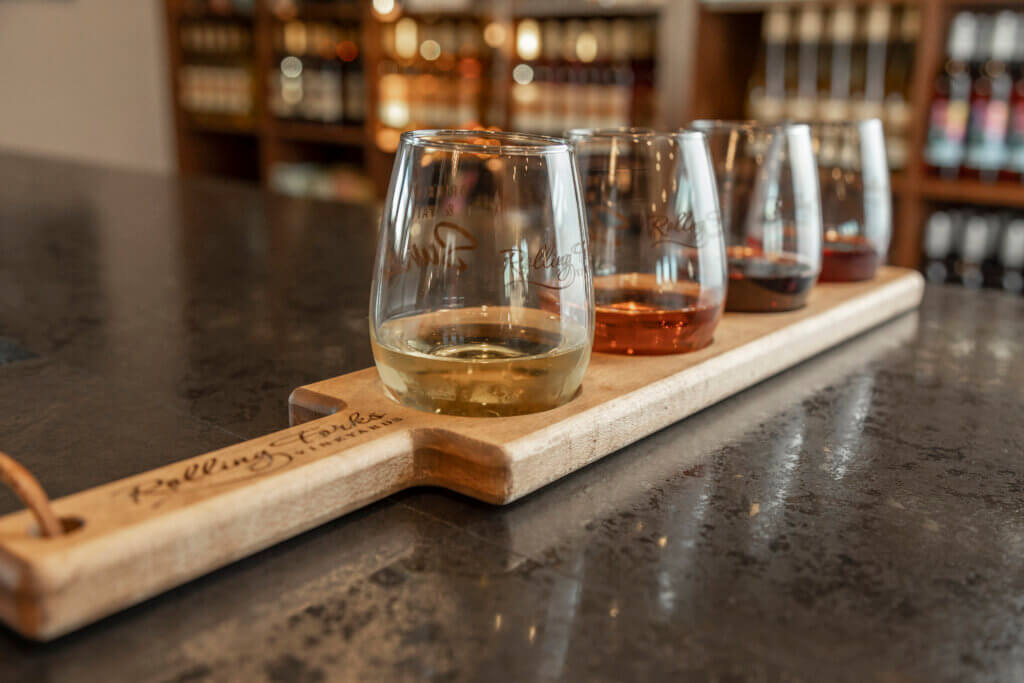
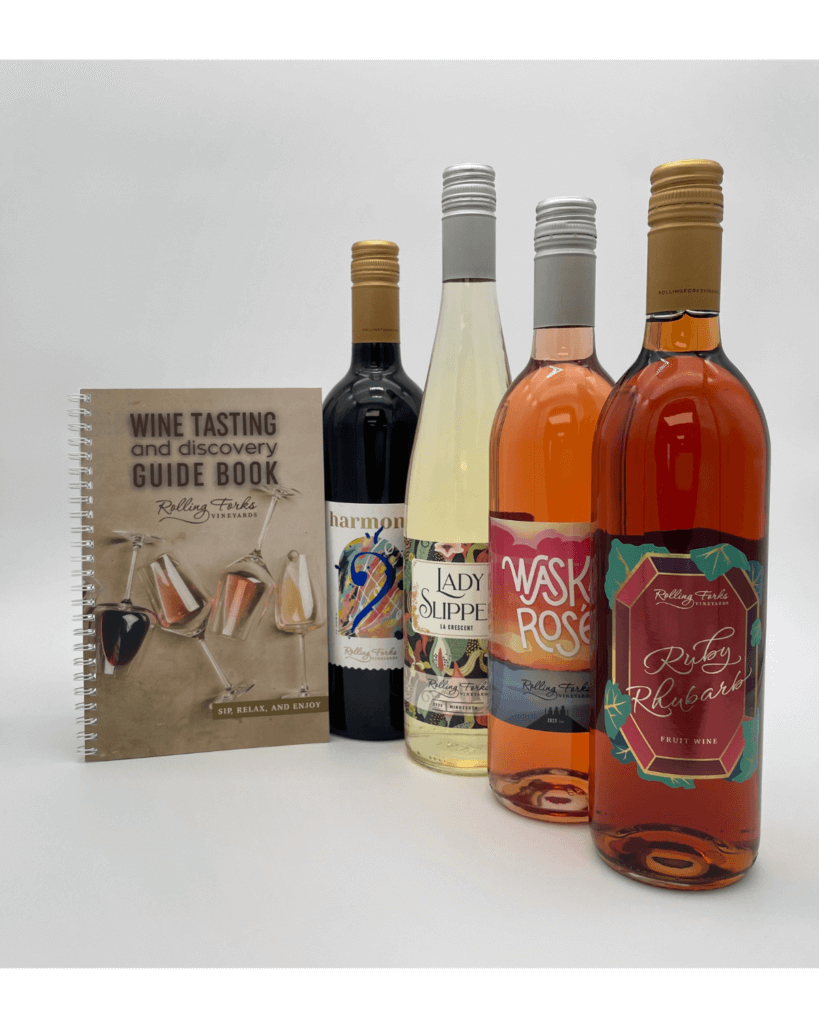
The order in which you taste different wines can also influence your perception of their taste. For example, if you taste a light white wine after a heavy red, the white might taste bland in comparison. For this reason, we always recommend tasting our Ruby Rhubarb wine last. Its tart, yet sweet profile will leave a lasting impression on the pallet.
The Step-by-Step Guide to Tasting Wine Like a Pro
Now that you understand the theory, let's put it into practice. Here's a step-by-step guide on how to taste wine like a pro:
Pour
Select your favorite Rolling Forks Vineyards wine and pour yourself a glass. When pouring wine as a host, never pick up the wineglass with your hand. Its best to just leave it on a flat surface when pouring. A standard wine pour is about 5 ounces. However, for tastings 1-2 ounces may be appropriate.
See
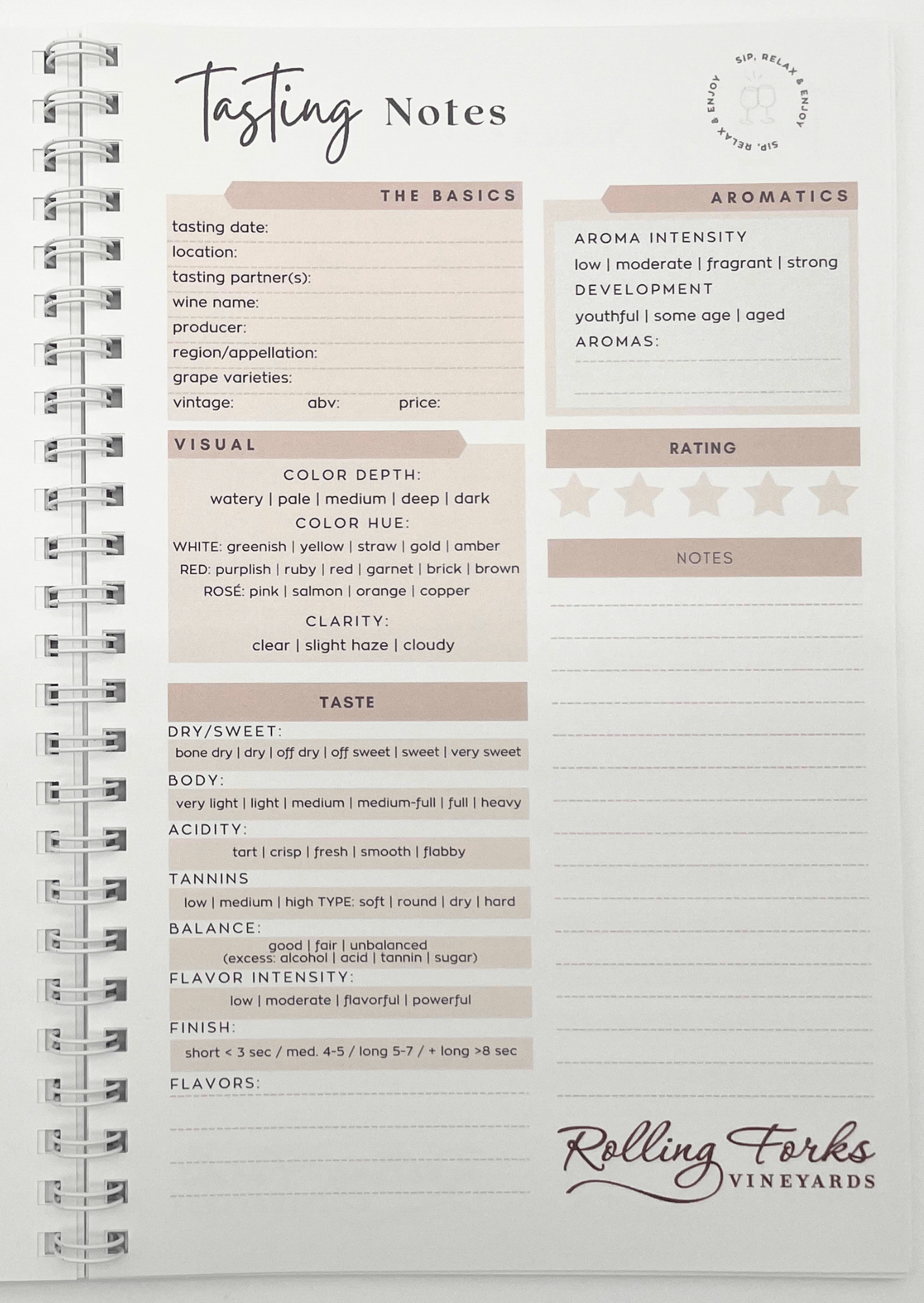
Hold your wine glass up to the light to give a visual assessment. Note the clarity, color and intensity. Visual indicators may offer you the first indication that the wine is flawed. For example, bad wine is often cloudy or off-color. Over time a wine may develop sediment deposits at the bottom of the bottle. This is not a sign of a flawed or poor quality wine. It is simply tiny particles of tannin and color pigment that have fallen.
The body of a wine refers to its weight and texture. Light-bodied wines seem more delicate, while full-bodied wines seem heavier and richer. A wine that is lighter in color will probably have less weight than a wine that is darker. Simultaneously, you may consider the degree of transparency or opacity. Also, paying attention to how the wine feels in your mouth helps determine its body.
The color of the wine can reveal a lot about its age, flavor profile, and even grape variety. When examining a glass of wine, take note of its hue, intensity, and clarity. Reds can range from pale ruby to deep purple, while whites can vary from straw yellow to golden amber.
Swirl
Next, gently swirl the wine in the glass. This will help to aerate the wine and release its aromas. This is also to observe its legs, which can indicate its alcohol content and body. Remember, appreciating the look of wine is not just about aesthetics. It is a key part of truly savoring the experience.
Smell
Take a quick sniff of the wine. This will help you identify the wine's primary aromatic profile. Then, bring the glass to your nose and take a deep inhale, allowing the scents to envelop you. Notice any fruity, floral, spicy, or earthy notes that you can detect. This step is crucial in understanding the complexity and nuances of the wine before you take your first sip.
Taste
Take a small sip and swish it around your mouth. Immediately, pay attention to the taste, texture, and how long the flavor lasts on your palate.
Evaluate the Acidity. Acidity is a crucial component of wine that provides freshness and balance. Wines with high acidity feel crisp and refreshing, while low-acid wines may seem flabby. Note how the acidity influences the overall taste and structure of the wine.
Assess the Tannins. Tannins are compounds found in the skins, seeds, and stems of grapes. They create a drying sensation in the mouth. Red wines typically have more tannins than white wines. Consider how the tannins contribute to the wine's structure and aging potential.
Pay Attention to the Finish. The finish is the aftertaste that lingers once you've swallowed the wine. A long finish indicates complexity and quality, while a short finish may suggest a simpler wine. Notice the flavors that persist on your palate and how they evolve over time.
Reflect
After you've tasted the wine, take a moment to reflect on your experience. Did you enjoy it? Why or why not? This will help you understand your own preferences and refine your palate for future tastings.
Above all, practice makes perfect. The more you taste, the better you'll understand your own palate and the wonderful world of wine. Enjoy the journey and happy tasting!