April 21, 2026
Rosé Wine: From Ancient Oddities to Your New Favorite Glass
Why the World is Seeing Life Through Rose-Colored Glasses
There is a common misconception that rosé wine is a modern invention, a "millennial" trend born out of Instagram aesthetics and summer pool parties. In reality, rosé is arguably the oldest type of wine in history. While the deep, dark reds we see today are the result of modern extraction techniques, the very first wines enjoyed by ancient civilizations were light, pale, and decidedly pink.
For many Midwesterners, this "pink drink" isn't a new discovery but a rediscovered memory. Gen X likely remembers their grandmother’s chilled "blush" wine served at summer reunions, while the Silent Generation might recall sipping on the sweet, simple pink wines that dominated the market decades ago. Today’s rosé renaissance isn't about creating something new; it’s about reclaiming the elegance and versatility of a style that has graced tables for millennia.
If you’ve ever wondered why a chilled glass of pink wine feels so right on a humid Midwestern afternoon, you’re in the right place. In this article, we’re diving deep into the flavor profiles, the fun history they didn't teach you in school, and the wine pairing secrets that will make you the star of your next garden club meeting.
The Origins and Evolution
Before we had stainless steel tanks and temperature control, winemaking was a bit... messy.
An Ancient Watered-Down Secret
Around 600 BC, the Phocaeans brought grapevines to Massalia (modern-day Marseille). In these ancient times, "red" wine didn't really exist. Why? Because the Greeks and Romans believed that drinking dark, undiluted wine was a sign of "barbarism." They would crush grapes—skins and all—and then immediately dilute the juice with water.
Fun Fact: In Ancient Rome, they didn't just use water. To preserve wine, they sometimes added lead (which made it sweet but toxic) or even sea water. The resulting liquid was a cloudy, pale pink brew that would probably make a modern sommelier faint.
They even had a "remedy" for hangovers that involved drinking wine mixed with boiled owl eggs.
The Middle Ages: The "Blood" of the Grape and Royal Drama
During the Middle Ages, the most prized wine in the world was "Claret," a pale, translucent red from Bordeaux. It was considered the "blood of the grape." When Eleanor of Aquitaine married Henry II of England in 1152, she didn't just bring her dowry; she brought the British a voracious appetite for this light pink wine. For centuries, the English and French fought wars over the very land that produced these "pink" treasures.
Gross-But-True: Medieval winemakers often didn't have the luxury of soap. Grapes were stomped by feet that had walked through muddy, livestock-filled streets. The "pink" hue was actually a sign of purity—the longer the juice sat on those "questionable" skins to turn red, the more likely it was to spoil or taste like a barnyard. Pink was safe; red was risky.
From Monasteries to the Mediterranean
As we moved out of the Middle Ages, winemaking became the domain of monks. These "holy hikers" were the first true scientists of the vine, meticulously documenting which slopes grew the best grapes. By the 18th and 19th centuries, rosé became the signature drink of the French Riviera. It was the wine of the "Belle Époque"—sipped by artists and aristocrats under striped umbrellas. It wasn't about status; it was about the joie de vivre (the joy of living).
The American "Blush" Revolution: The Late 1900s
In the 1970s and 80s, America had its own pink epiphany. It started with an accident at a California winery where a batch of Zinfandel "stuck" during fermentation, leaving behind a fair amount of sugar and a light pink color.
The result? White Zinfandel.
Suddenly, millions of American women found a wine that was approachable, sweet, and unpretentious. It became the centerpiece of bridge clubs and patio parties across the Midwest. While "wine snobs" looked down their noses at it, this era proved that pink wine had a unique power: it brought people together without the intimidating jargon of heavy reds. It was the bridge that led us to the sophisticated, dry rosés we love today.
How It’s Made: The Alchemy of Pink
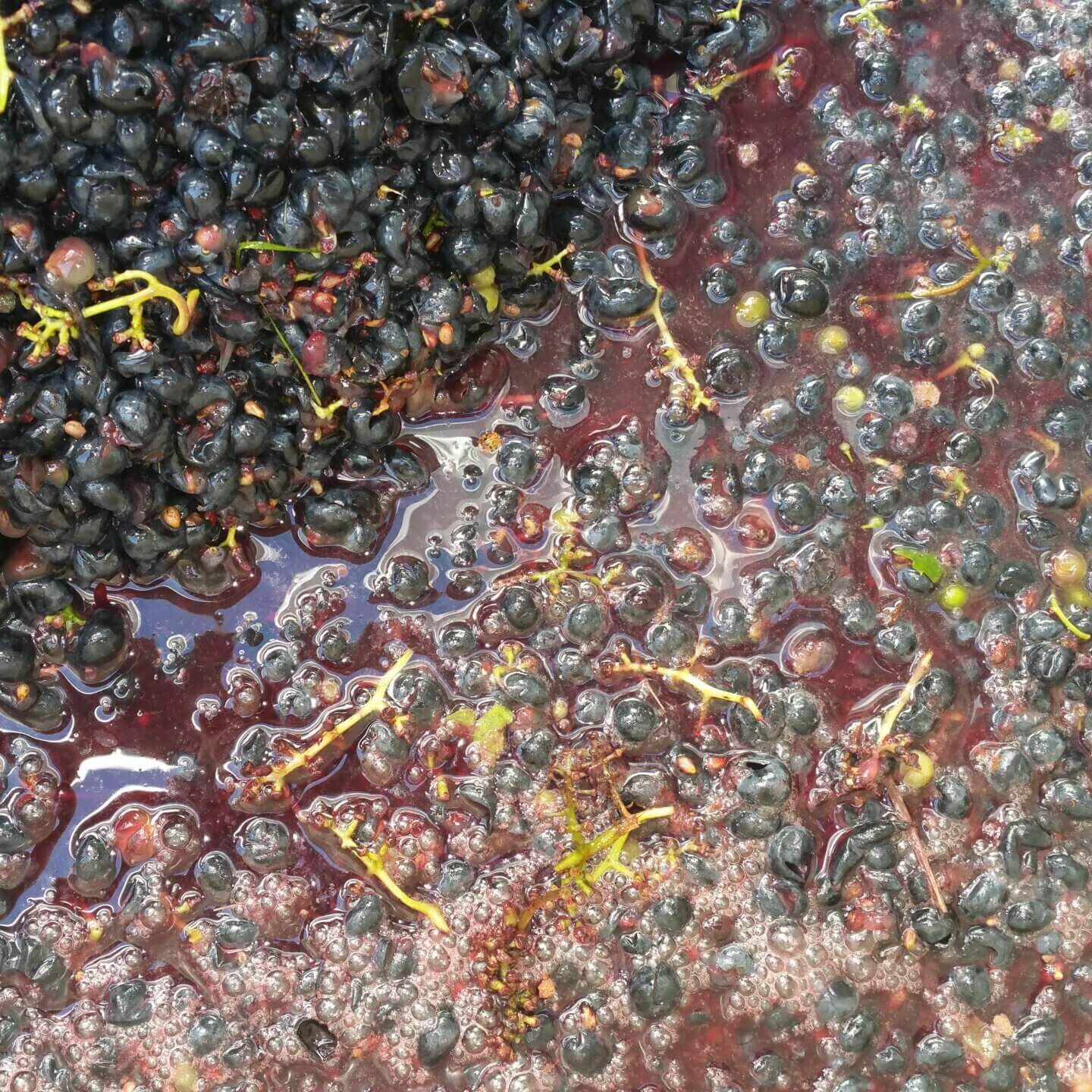
To truly appreciate a bottle of rosé wine, you have to peek behind the curtain at the wine making process. The beautiful spectrum of pink—from pale onion skin to vibrant neon cherry—is entirely dependent on how the winemaker handles the grape skins. Since the juice of almost all red grapes is actually clear, the "magic" happens through contact with the pigment-rich skins.
1. The Maceration Method (The Traditional Artisan Choice)
This is the "gold standard" for high-quality rosé. After red grape varieties are harvested and crushed, the juice is allowed to soak (macerate) with the skins.
- The Science: During this soak, the alcohol and heat extract color, flavor, and tannins from the skins.
- The Timing: For a delicate rosé, this might only last two hours. For a bolder, darker style, it can go up to 48 hours. Once the winemaker sees that perfect hue, the juice is pressed from the skins to finish fermentation on its own.
2. The Saignée Method (The "Bleeding" Technique)
In wine blending circles, Saignée (pronounced son-yay) is often seen as the byproduct of making a powerful red wine.
- The Process: A winemaker wanting to create a concentrated, "big" red wine will "bleed off" a portion of the juice early in the maceration process.
- The Result: This removed juice is fermented separately into rosé. Because it spent a short time with a high volume of skins, Saignée rosés are often darker, more alcoholic, and pack a more flavorful punch than other methods.
3. Direct Press (The White Wine Approach)
This method treats red grapes as if they were white. The grapes are harvested and immediately put into a press.
- The Subtle Touch: The only color the wine gets is from the split-second the juice touches the skins during the squeeze.
- The Vibe: This produces the palest, most elegant rosés with high acidity and bright, citrusy notes. It is a favorite in the Provence region of France.
4. The Art of Blending (Precision and Expression)
While some regulations in Europe limit this for still wines, the blending method is actually one of the more sophisticated tools in a winemaker's kit. At Rolling Forks Vineyards, we view blending as an art form that allows us to achieve a level of precision and flavor harmony that single-process wines often can't match.
- The Technique: By carefully blending a small amount of finished red wine with a crisp white base, winemakers can "paint" the exact flavor profile and color they desire.
- The Precision: This method is the secret behind the world's finest Sparkling Rosés and Champagnes. It allows us to ensure that every bottle of our rosé has the same vibrant hue and perfectly balanced acidity that our customers have come to love year after year.
- The Versatility: Blending allows for a more complex "layered" taste, pulling the bright citrus of a white grape and marrying it to the rich, red berry structure of a red variety.

Decoding Tasting Notes
When you swirl a glass of Rolling Forks Vineyards rosé, your nose is picking up a complex chemistry set of tasting notes.
- Primary Fruit: Most rosés lead with strawberry, raspberry, or red currant.
- The "Midwest Specialty": In our region, we often see notes of rhubarb and cranberry, which provide a nostalgic, tart finish.
- Floral Accents: Look for rose petals or hibiscus.
- The Oddity: Ever smell "wet rocks" or "chalk"? That’s minerality, and it’s what makes a wine taste "crisp" rather than just "sweet."
Structural Components
- Acidity: This is the "zing" you feel on the sides of your tongue. High acidity makes rosé refreshing and is what allows it to pair so well with fatty foods like BBQ.
- Body: Is the wine light like water, or does it feel more like whole milk in your mouth? Most rosés are light-to-medium bodied, making them perfect "crushable" summer drinks.
Serving Tips for Maximum Flavor
- The Temperature: Serve between 45-55°F. If it's too cold, the aromas are "locked" away. If it's too warm, the alcohol takes over.
- The Glassware: A standard white wine glass with a slightly tapered rim is best. It focuses the delicate floral aromas right to your nose.
- The "Sweat" Factor: In the Midwest heat, your glass will sweat. Use a stem to hold your wine—your hand's warmth will ruin the crispness of the liquid!
Ultimately, the joy of rosé lies in its accessibility and the sheer variety of sensations it offers. Whether you are identifying the subtle "onion skin" hue of a bone-dry French style or the vibrant, jammy notes of a sweet Midwestern blend, there are no wrong answers in your tasting journey. Every glass is an invitation to explore a new facet of this ancient, ever-evolving craft.
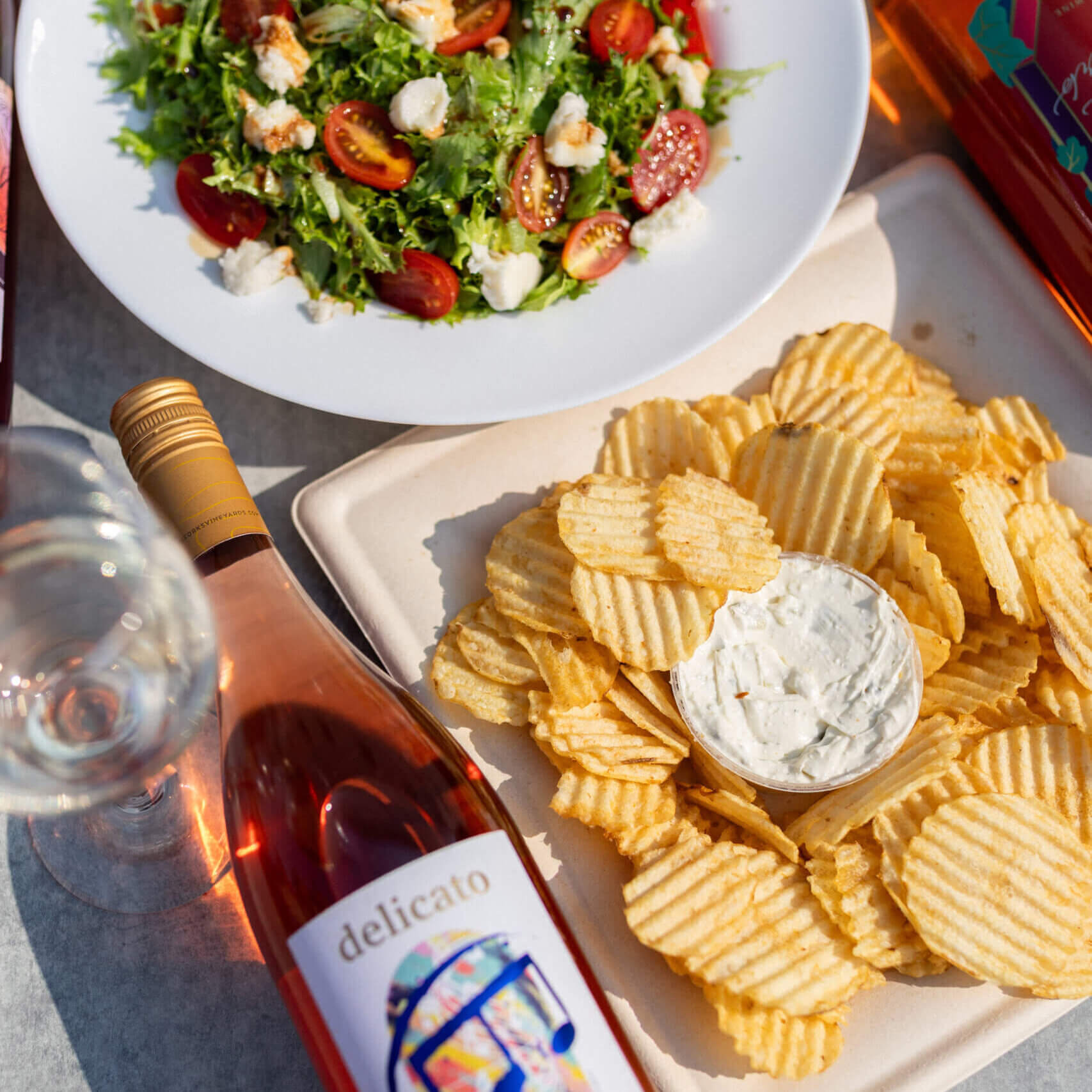
The Ultimate Wine Pairing Guide for the Midwestern Palate
One reason rosé is trending is its versatility. It’s the "Goldilocks" of wine—not too heavy, not too light.
| Food Category | Why it Works | Best Rosé |
|---|---|---|
| Spicy BBQ | The acidity cuts through the fat of pulled pork or ribs. | Wooden Link Rose' |
| Summer Salads | Matches the notes of vinaigrettes and berries. | Waska Rose' |
| Fried Chicken | The bubbles (in sparkling) or acid (in still) cleanse the palate. | LoveStruck |
| Walleye/Lake Fish | Doesn't overpower the delicate white fish. | Delicato |
Expert Tip: Avoid pairing bone-dry rosés with super sugary desserts; it will make the wine taste bitter. Instead, pair a sweeter rosé like Waska Rose' with fruit tarts or spicy Thai food.
Why is Rosé Trending?
For many years, the Midwest was "Beer Country." But things have changed. We value "front porch culture"—that time at the end of a long day when the humidity finally breaks and you sit outside with your neighbors.
Rosé fits this lifestyle perfectly. It’s low-effort but high-reward. It’s sophisticated enough for a wedding but casual enough for a plastic cup on a pontoon boat. According to Wine Enthusiast, rosé consumption has grown double-digits because people are moving away from heavy, oaky whites and looking for something refreshing.
Featured Collection: The Rosés of Rolling Forks Vineyards
At Rolling Forks Vineyards, we pride ourselves on crafting wines that reflect the unique soil and spirit of our land. Here is a look at our award-winning pink portfolio:
Wooden Link Rosé
- Style: Jammy, Off-sweet Rosé
- Tasting Notes: A vibrant, berry-forward flavor with hints of pomegranate. The sweetness of the fruit gives this wine a balanced finish and smooth mouthfeel. It’s the quintessential BBQ wine.
- Pairing: Perfect with grilled chicken or veggie skewers.
Delicato
- Style: Barrel aged, Dry & Light
- Awards:
 Double Gold/ Best of Class – International Cold Climate Wine Competition
 - Tasting Notes: "A light-bodied, fruity and fresh-tasting wine that is coral in color, vivid in raspberry and cherry flavors and nicely balanced by good acidity. A subtle red-candy aroma and a hint of sweetness give a friendly feel." jamessuckling.com
- Special Note: This is a fan-favorite that rarely goes on sale—grab it while you can!
Waske Rosé
- Style: Medium-Bodied & Fruit-Forward
- Awards: Gold Medal – San Francisco International Wine Competition
- Tasting Notes: Delightful hints of rose, and melon with more structure. You’ll find bold notes of strawberry and a citrus finish that lingers beautifully on the palate.
- Pairing: Try this with a pork tenderloin or a charcuterie board featuring aged cheddar.
Lovestruck Sparkling Rosé
- Style: Effervescent & Festive
- Awards: Gold – International Cold Climate Wine Competition
- Tasting Notes: Tiny, elegant bubbles carry notes of ripe raspberries, delicate rose petals, and a whisper of citrus. It’s a celebration in a bottle.
- Pairing: Fried appetizers or a celebratory brunch with eggs benedict.
Stop Thinking, Start Sipping
From its "messy" ancient history to its modern-day status as the ultimate social lubricant, rosé wine has earned its place at the table. Whether you prefer the bone-dry complexity of Delicato or the sweeter, sun-drenched notes of Wooden Link, there is a rosé for every palate and every occasion.
Next Step: Rosé All May!
Ready to find your new favorite? Don't miss our Rosé All May celebration! For a limited time, enjoy Buy One, Get One Half Off on all our rosé selections.
Wait! This is particularly special because this is the only time of year you will find our award-winning Delicato at a discount. Stock up for your graduation parties, weddings, and summer sunsets.
Don't Miss a thing