October 1, 2026
The Triumph of Midwest Wine: How Cold-Climate Hybrids Earned A Seat at the Table
To the casual drinker browsing retail shelves or perusing a restaurant list, wine competition medals and scoring stickers can often feel like an alphabet soup of hyperbole. Best of Class. Double Gold. 96 Points. Triple Gold. It is easy to wonder: What do these shiny foils actually mean?
In the high-stakes ecosystem of wine judging, these awards are far more than decorative flair. They represent an intense, peer-reviewed crucible where blind bottles compete purely on merit. Traditional competitions like the San Francisco International Wine Competition—one of the oldest and most stringent international blind-tasting panels in the world—and the San Francisco Chronicle Wine Competition serve as rigorous stress tests for quality. And, for decades, coastal mainstays like Napa Valley, Sonoma, and Bordeaux held an undisputed monopoly on the top-tier honors.
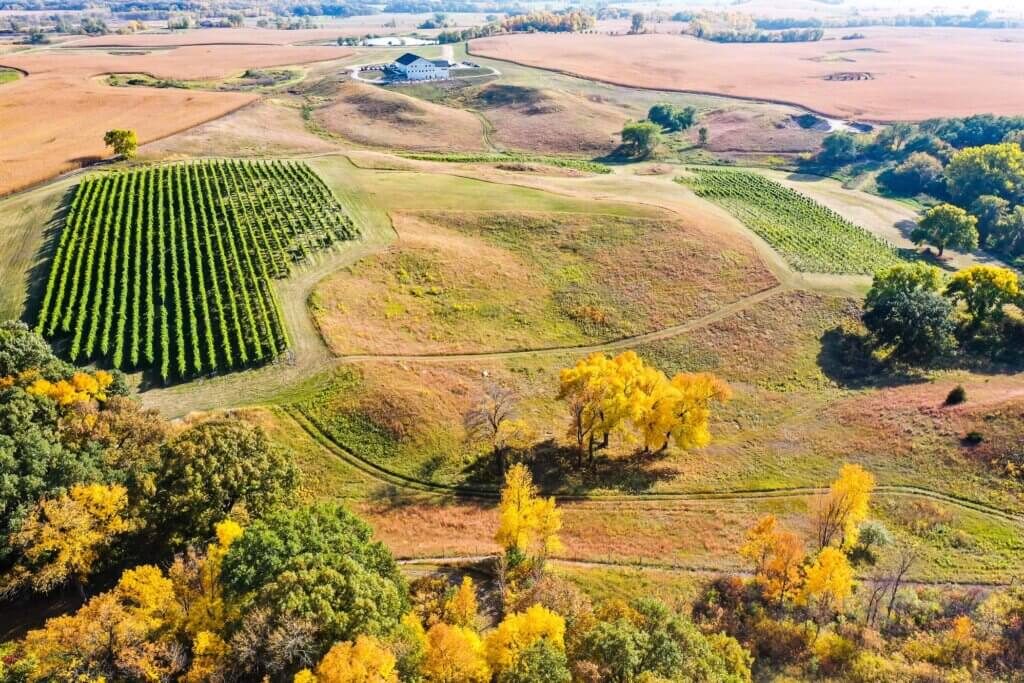
However, a quiet revolution has been unfolding along the rolling glacial hills of Glenwood, Minnesota—where Rolling Forks Vineyards is proving that cold-climate hybrid grapes aren't merely surviving extreme Northern winters; they are actively redefining what American fine wine can be.
Decoding the Benchmarks: How Wine Judging Works
Understanding how a wine earns its hardware requires pulling back the curtain on how traditional judging works. In classic competitions, flights of wine are organized strictly by varietal or category. Panelists—comprising Master Sommeliers, Masters of Wine, veteran critics, and seasoned winemakers—evaluate each sample completely blind. They receive zero information regarding brand, price point, or regional reputation.
The medals are awarded based on consensus:
Bronze: A well-made wine that represents its category cleanly.
Silver: A high-caliber wine exhibiting distinct complexity and varietal character.
Gold: A unanimous or near-unanimous agreement that the wine is exemplary.
Double Gold: A rare, unanimous vote where every single judge on the panel independently awards a Gold medal.
Best of Class: The absolute pinnacle. All Double Gold winners are pitted against one another in a direct head-to-head runoff to determine the single best expression in the entire category.
While regional competitions rely on medal tiers, independent critics like James Suckling and publication buyer's guides like Wine Enthusiast evaluate wines using the world-renowned 100-point scale:
85–89 Points: Very good, well-crafted wines recommended for daily enjoyment.
90–94 Points (Outstanding): A wine of superior craftsmanship, extraordinary balance, and exceptional character. Earning a 90+ rating from Wine Enthusiast or JamesSuckling.com places a bottle in the top echelon of global production.
95–100 Points (Classic / Benchmark): A grand-cru level wine of monumental distinction, rarity, and flawless execution.
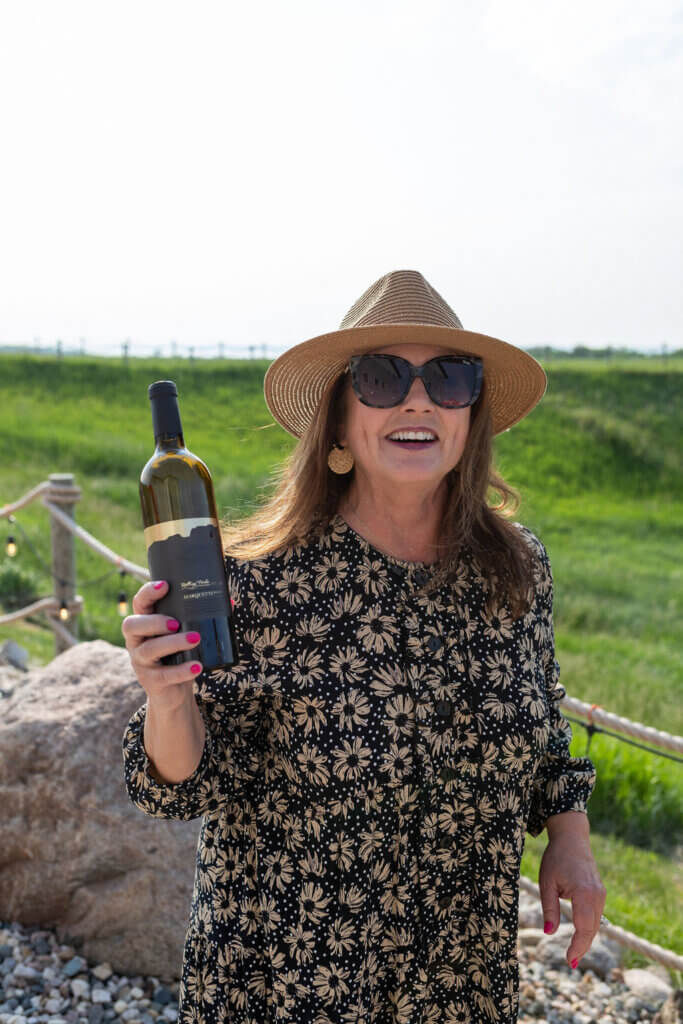
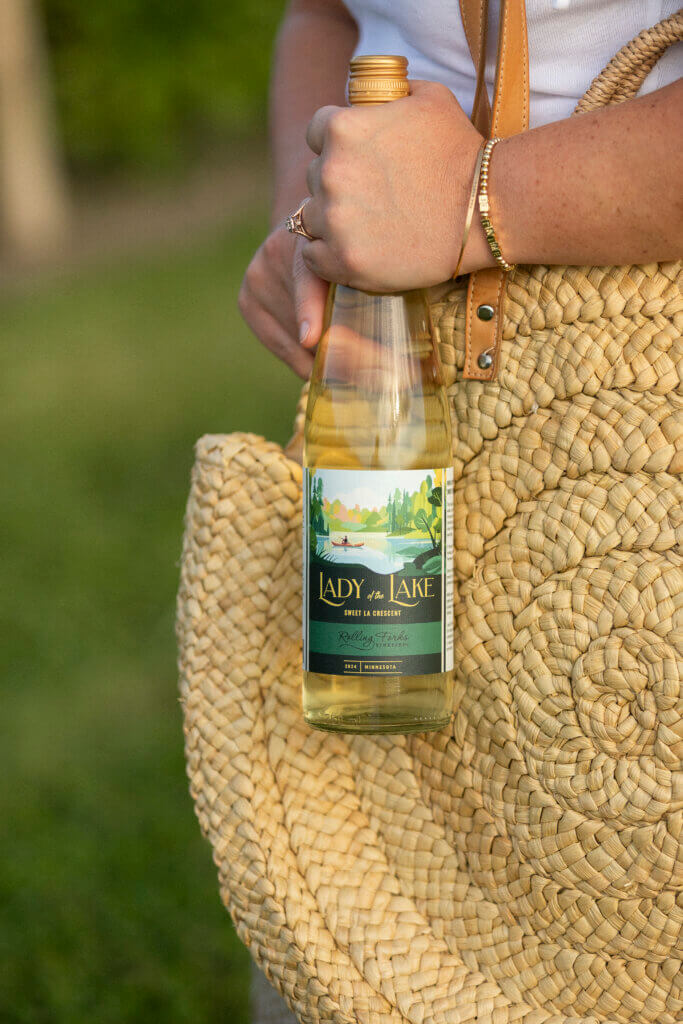
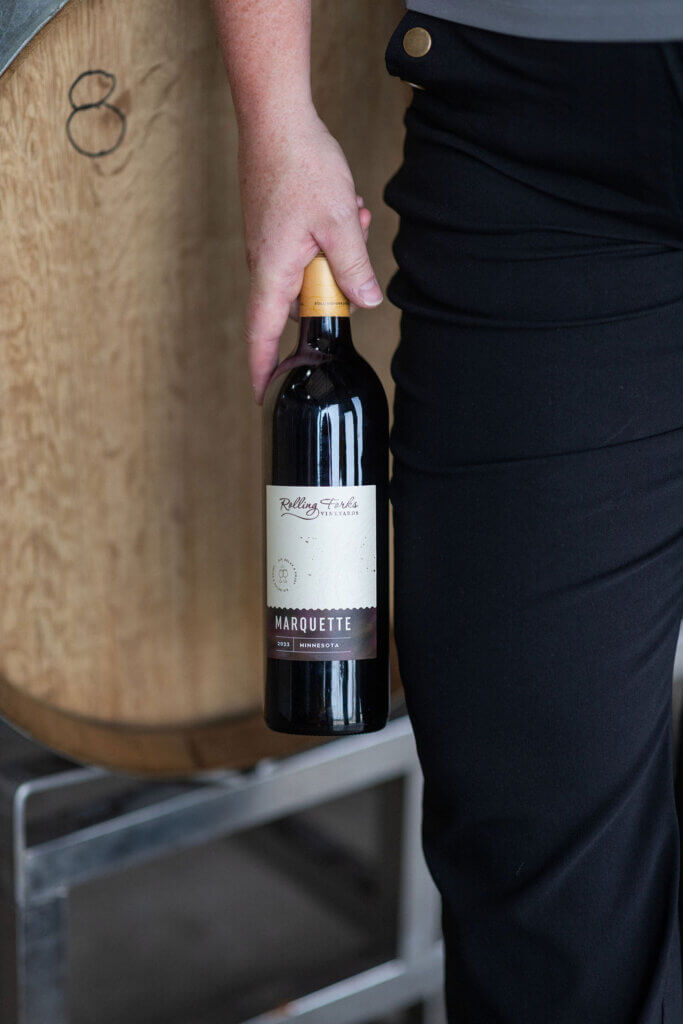
When a Midwest wine earns a 96-point score (Allegro 2024) or a Best of Class (Allegro, Delicato, Lady Slipper, Lady of the Lake, Brianna, Marquette) award in an open international competition, it is not being judged on a curve. It has bested traditional Vitis vinifera giants in a blind lineup.




Breaking the Mold: A New Era for Wine Judging
While classic competitions established the bedrock of wine evaluation, the modern wine landscape is demanding a fresh approach. The wine world is no longer strictly bound by dusty cellars, European gatekeeping, or rigid traditional rules. Today’s consumers are adventurous, curious, and far more interested in what’s actually inside the glass than the prestige attached to its zip code.
This shift has sparked the rise of dynamic new platforms like California’s Next Gen Wine Competition. Designed specifically to break the traditional mold, competitions like Next Gen swap out stuffy conventions in favor of panels that look toward the future of winemaking. They celebrate innovation, sustainability, alternative regions, and non-traditional grape varieties that resonate with modern palates.
Rather than penalizing a wine for not tasting like a classic Napa Cabernet or an Old World White Burgundy, these modern competitions evaluate entries on their own intrinsic merits: balance, aromatic clarity, vibrant acidity, and expressive style.
This fresh perspective proved to be a major stage for Rolling Forks Vineyards, which recently swept three Best of Class awards at the Next Gen Wine Competition in California. Striking gold in the heart of California wine country isn't just a victory for a single winery; it’s a ringing endorsement from a new generation of judges that Minnesota’s cold-climate hybrids have truly arrived. By introducing forward-thinking lifestyle categories like Best Weeknight Wine and Best Wine for a Party, these competitions meet real-world consumers right where they drink—celebrating accessible, high-energy bottles alongside ultra-premium cellared classics.

The Cold-Climate Revolution: Rewriting the Winemaking Rulebook
For generations, traditional European Vitis vinifera grapes—like Cabernet Sauvignon, Chardonnay, and Pinot Noir—reigned supreme. Yet these delicate vines crumble under the harsh conditions of Upper Midwest winters. Enter cold-climate hybrids: varieties meticulously bred by institutions like the University of Minnesota to withstand winter temperatures dipping past -30°F while ripening quickly during sun-drenched summer growing cycles.
What began as a localized agricultural experiment has captured the national spotlight. As Wine Enthusiast observed while investigating the rapid rise of hybrid grapes, "Without labels, the truth is in the glass. Wine isn't just about tradition or labels... It's about reinvention, resilience, and the bold wines that challenge the status quo" in the article Are Hybrid and PiWi Grapes Climate Saviors?
Critics across the globe are taking note. Renowned critic James Suckling awarded multiple 90+ point scores to Minnesota cold-climate expressions, praising red hybrids like Marquette for being "surprisingly polished, layered, rich, and lingering for a red from a region that most people don't associate with winemaking." Meanwhile, Wine Enthusiast has described white hybrids like La Crescent as "explosively aromatic," highlighting how its searing, Riesling-like acidity and stone-fruit perfume rival premier cool-climate European whites in the article The La Crescent Grape Is Full of Surprises.
Breaking Boundaries Outside the Midwest
This enthusiasm is no longer confined to local tasting rooms. Progressive sommeliers and wine bars across the country—from trend-setting hubs in Brooklyn like The Four Horsemen and Place des Fêtes to cool-climate focused West Coast hubs like Canlis in Seattle, the natural-wine focused spot Pico in Santa Barbara county—are actively listing cold-climate varieties like Marquette, La Crescent, Frontenac Gris, and Petite Pearl.
Buyers aren't adding these bottles as regional novelty acts; they select them because cold-climate hybrids naturally offer what modern diners are asking for: electric, mouthwatering acidity, lighter alcohol footprints, and low-intervention resilience in the vineyard. Whether paired with raw bar oysters in New York or wood-fired farm-to-table cuisine in the Midwest, these wines excel at the dinner table. Rather than trying to mimic warm-climate California Cabernet or oaked Chardonnay, Minnesota’s winemakers are leaning into what their unique terroir delivers best: intense flavor concentration, striking freshness, and unmistakable aromatic purity.
5 Essential Showstoppers from Rolling Forks Vineyards
Rather than overwhelming your palate with an entire cellar list, these five standout bottles represent the absolute pinnacle of Rolling Forks Vineyards' award-winning portfolio—spanning flagship whites, elegant rosés, and cellar-worthy reds.
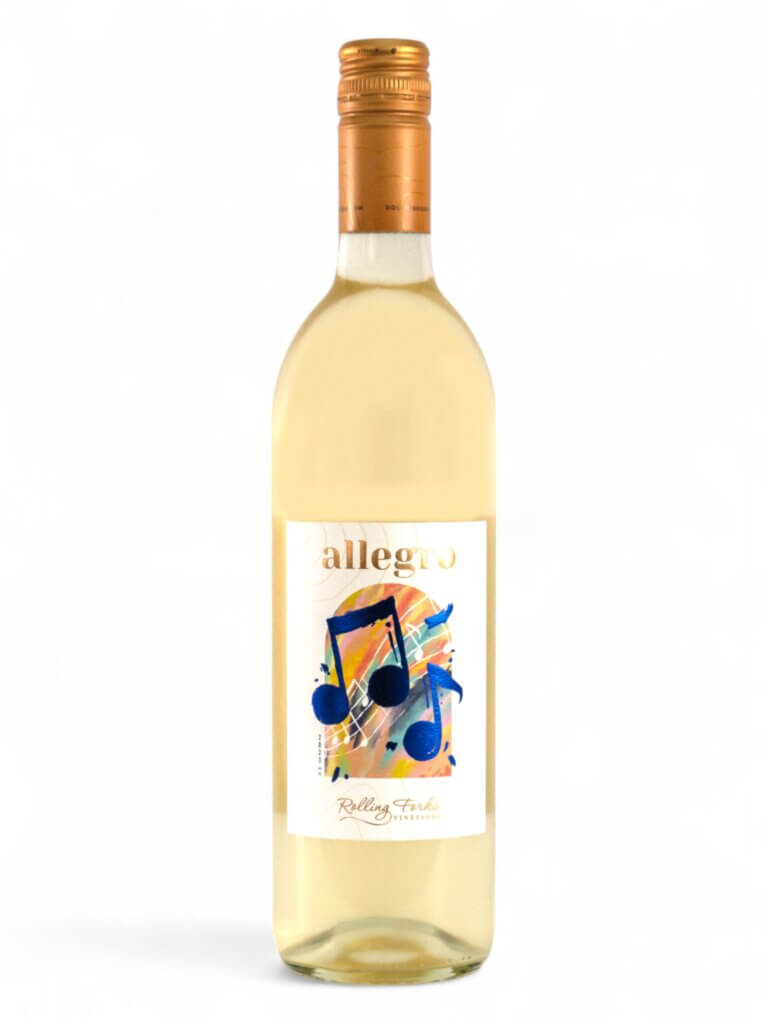
1. Allegro
The Accolades: 96 Points, Best of Class & Double Gold (San Francisco International Wine Competition); Double Gold & Best of Class (International Cold Climate Wine Competition).
Why It Matters: A true flagship moment. Scoring a staggering 96 points in San Francisco, this Brianna-based white hybrid blend proved it can stand shoulder-to-shoulder with premier international whites, praised for its balanced acidity, crisp structure, and delicate tropical aromatics.
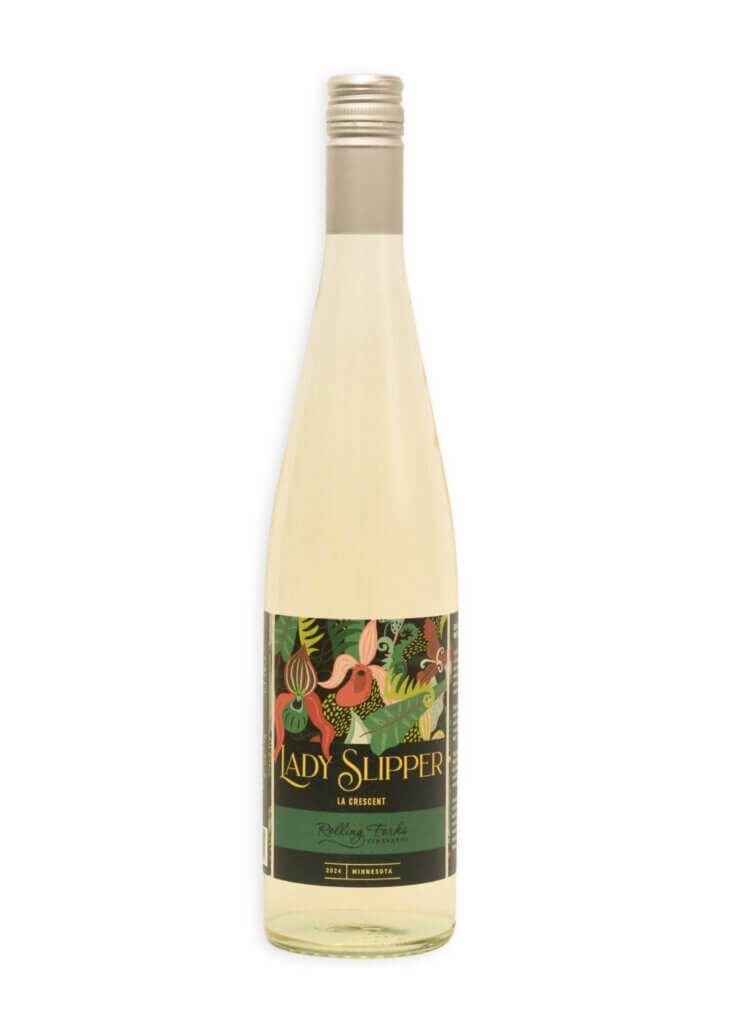
2. Lady Slipper
The Accolades: Best of Class & Double Gold (San Francisco Chronicle International Wine Competition); Gold & 91 Points (San Francisco International Wine Competition).
Why It Matters: Named after Minnesota's state flower, this expression of the La Crescent grape impresses judges with heady aromas of peach, apricot, and wildflower honey, anchored by a vibrant, bracing finish that echoes top European Rieslings.
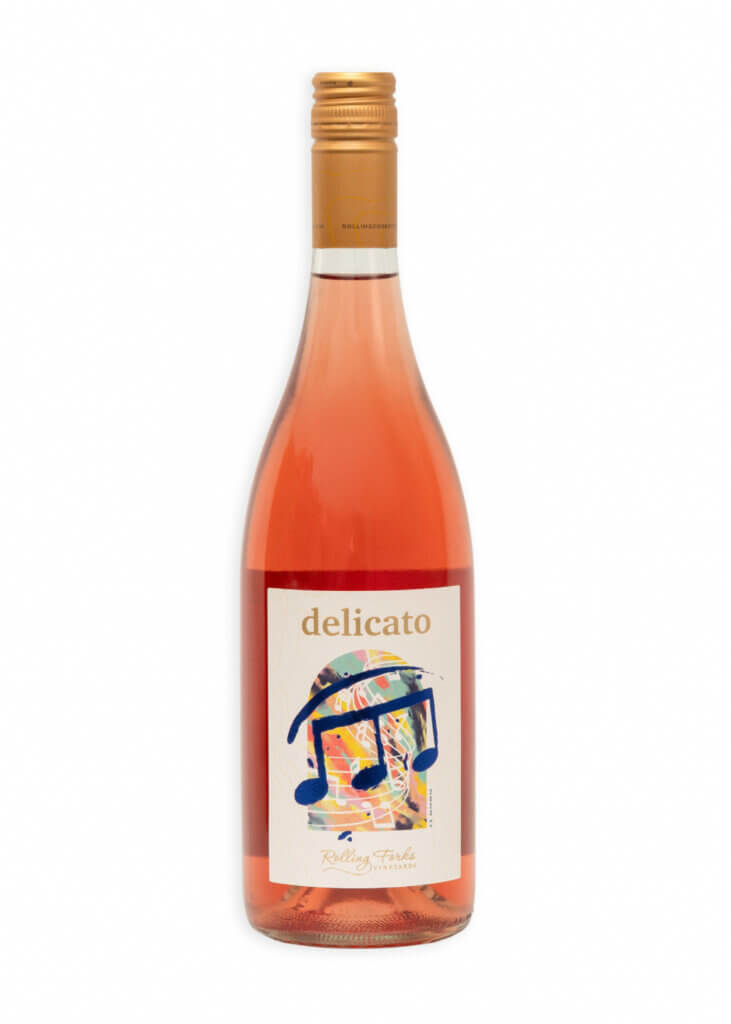
3. Delicato
The Accolades: Double Gold & Best of Class (International Cold Climate Wine Competition); 90 Points (Wine Enthusiast Buyer's Guide).
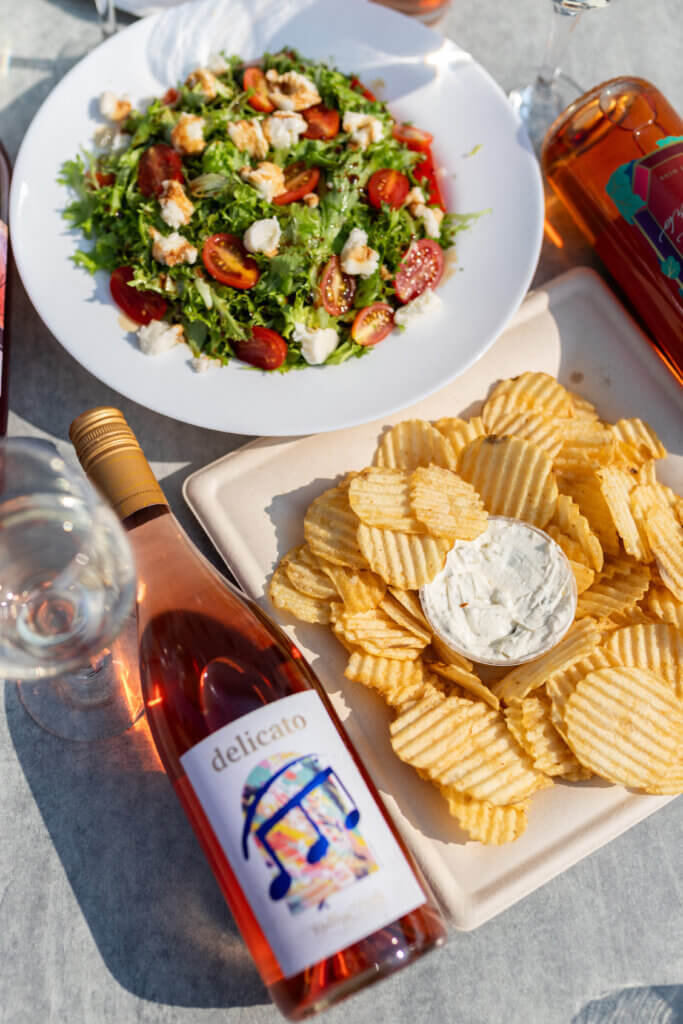
Why It Matters: Crafted from the Petite Pearl grape, this coral-hued dry, oaked rosé offers vivid raspberry and wild cherry flavors framed by bright acidity, earning high marks from major national critics for its balance and poolside-ready sophistication.
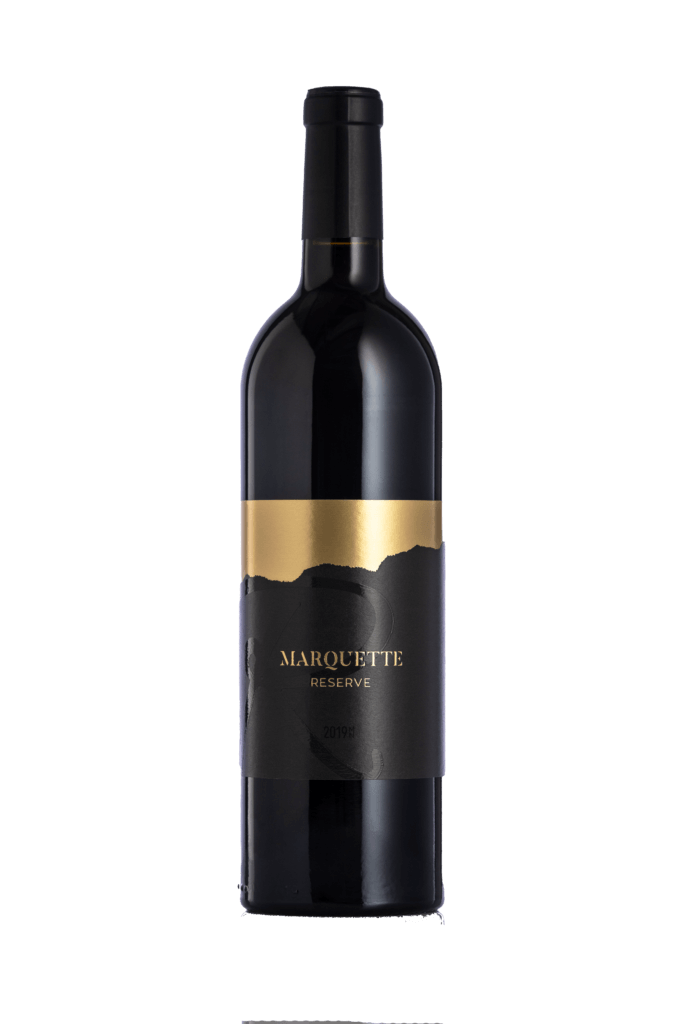
4. Marquette Reserve
The Accolades: 92 Points (JamesSuckling.com).
Why It Matters: Often dubbed the "Pinot Noir of the North," Marquette takes on a whole new dimension in oak-aged Reserve form. James Suckling singled out its "dark, plush and spice-saturated" character, highlighting accents of black fruit, dark chocolate, and stylish oak integration.
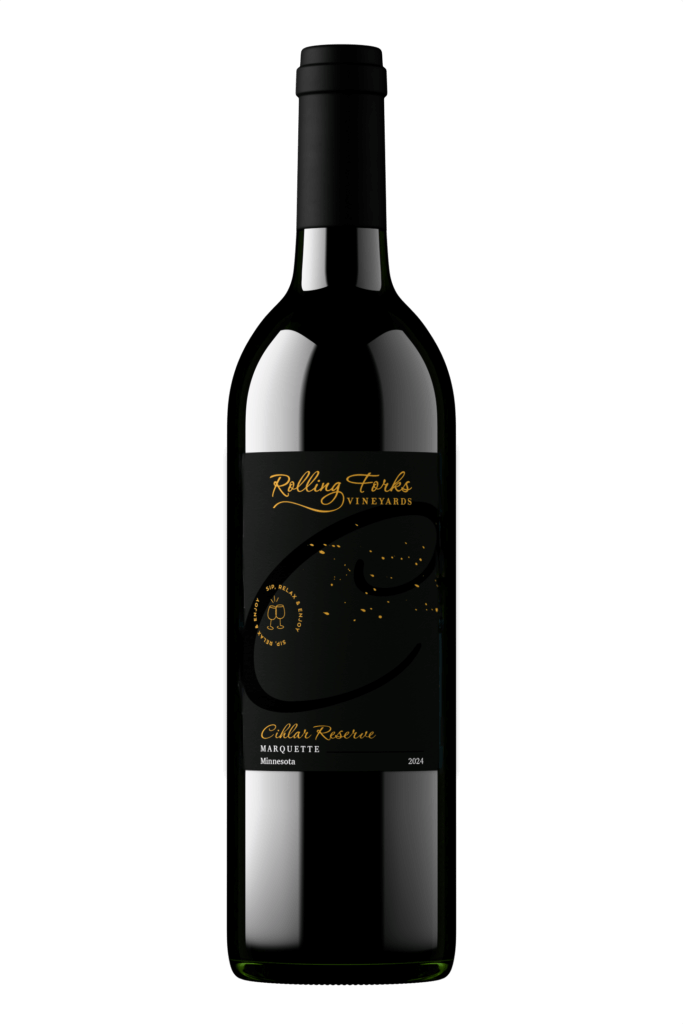
5. Cihlar Reserve
The Accolades: 91 Points (Wine Enthusiast Buyer's Guide); 91 Points (JamesSuckling.com); Gold (San Francisco Chronicle International Wine Competition).
Why It Matters: A serious, cellar-worthy red that bridges Old World tannin structure with New World fruit purity, earning consensus 91-point scores across the board as a benchmark for Midwest winemaking.
Vintages to Watch: What’s Next for Minnesota Wine
As the winemaking team at Rolling Forks Vineyards continues to refine their oak aging programs and vineyard management, all eyes are on upcoming releases.
Keep a close watch on future vintages of Marquette Reserve and Cihlar Reserve. As estate vines mature and climate conditions allow for longer hangs on the vine, these cold-climate red hybrids are developing deeper phenolic complexity and velvety tannin structures that age beautifully in bottle.
On the white and sparkling side, look for expanded reserve bottlings of La Crescent and Frontenac Blanc. With national palate preferences shifting heavily toward low-alcohol, high-acidity, and food-friendly wines, these varieties are naturally positioned to lead the market.
The verdict across every judging panel—from established legacy competitions to forward-thinking platforms in California—is clear: Minnesota wine is no longer just a local novelty. It is a dynamic, award-winning frontier—and these bottles belong in every serious enthusiast's glass.

Don't Miss a thing