October 29, 2026
The Art of Port-Style Wine, Old Traditions, and the Northern Frontier
There is a quiet alchemy that happens in the cellar when wine meets spirit, wood, and time.
For centuries, fortified wines have occupied a reverent place in cellar culture. Born out of necessity in Portugal’s sun-drenched Douro Valley—where neutral grape spirit was first added to fermenting vats so barrels could endure long sea voyages without spoiling—Port evolved from a practical preservative into one of the world's most contemplative sips.
Yet while traditional Port strictly originates from the terraced hills of the Douro Demarcated Region, the method—halting fermentation midway to capture natural, unfermented grape sugars, backed by a spirit's warming spine—belongs to any winemaker willing to play the long game.
Last year, we introduced our first foray into this patient craft: Forte of the North, Red. Aged for five years in seasoned oak using the historic Solera method, it brought cold-climate depth to an Old-World blueprint.
Now, a second chapter has emerged from the cellar. We are thrilled to unveil Forte of the North White Port—a rare, radiant counterpoint to our red, crafted entirely from estate-grown Frontenac Blanc and fortified with brandy distilled from our own wine.
Beginning November 2nd, this decadent selection will be released exclusively to our Wine Club Members. Any bottles that remain will be released for general purchase in December.
What Makes Port-Style Wine Tick?
To truly appreciate what sits in these bottles, it helps to pull back the curtain on how fortified wines come to life.
Unlike standard table wines, which ferment until nearly all grape sugars turn to alcohol, Port-style wines follow a deliberate rhythm:
The Arrested Fermentation: Grapes are crushed and allowed to ferment vigorously. Before the yeast can consume all the natural sugars, high-proof grape spirit is introduced.
The Preserved Sweetness: The sudden rise in alcohol halts fermentation in its tracks, preserving the pure, unfermented fruit character without artificial sweetening.
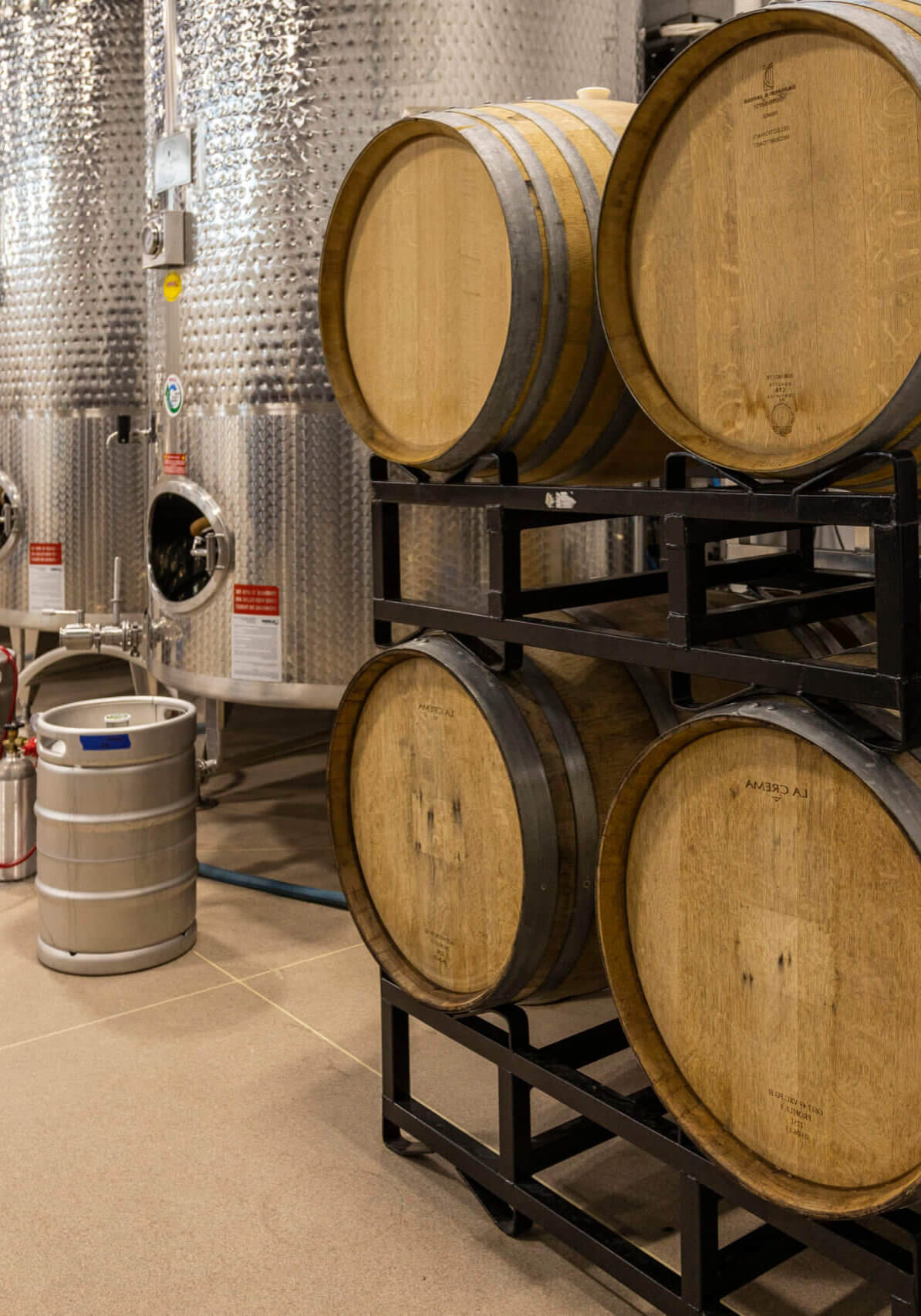
The Slow Oxidation in Barrel: Transferred into oak, the wine breathes. Oxygen gently interacts with the wood and wine over years, trading bright fruit acidity for layers of toasted nuts, caramel, dried figs, and warm baking spices.
While red fortified wines are legendary for their brooding plum and chocolate tones, the world of White Port is one of wine's best-kept secrets.
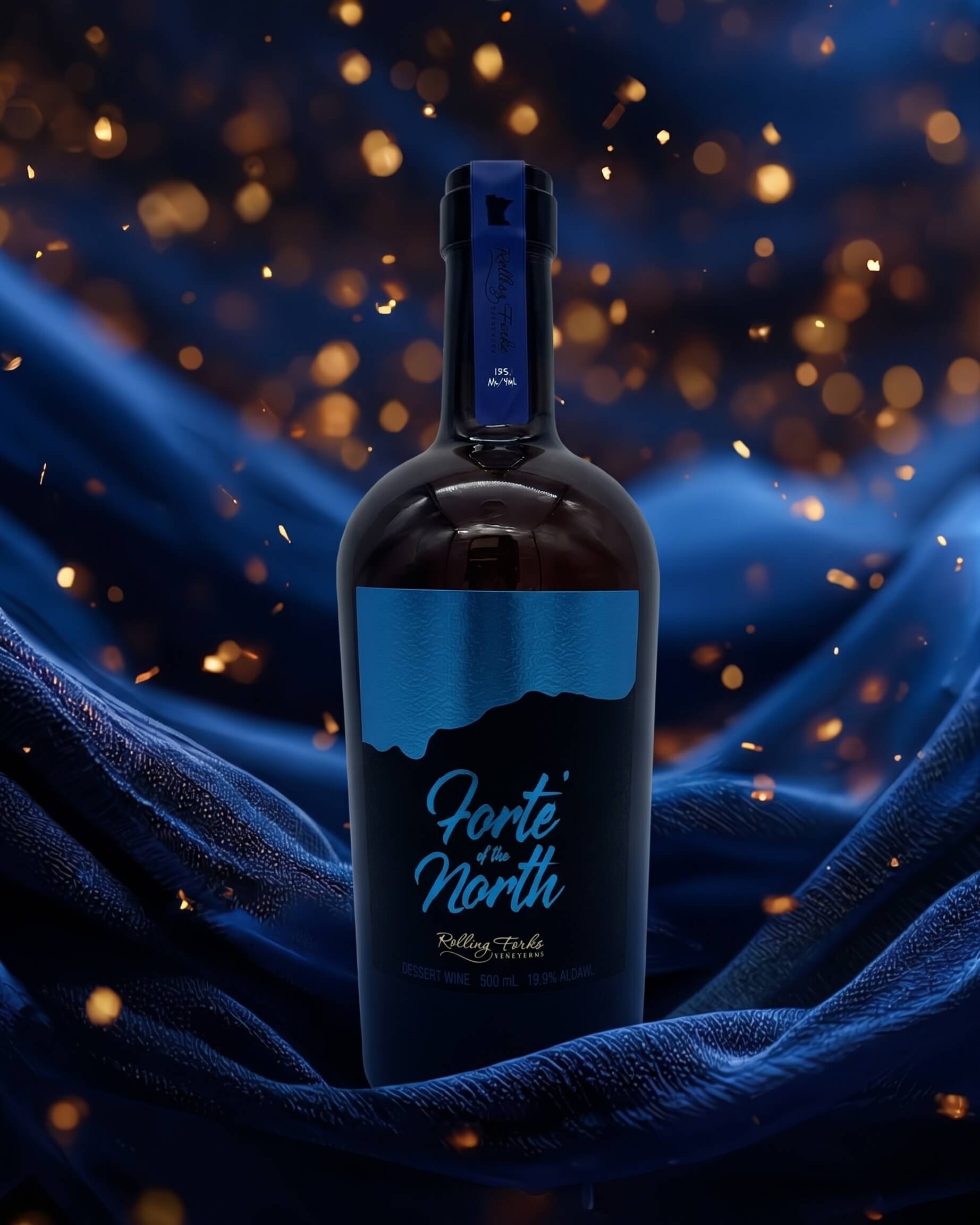
The Rare Allure of White Port
In Portugal, white port is often poured over ice with tonic and a citrus twist on warm afternoons, or sipped slightly chilled before a meal. In our northern cellar, we saw an entirely different destiny for it.
Cold-hardy white varieties like Frontenac Blanc are celebrated for their vibrant stone-fruit profile, natural acidity, and intense aromatic presence. When handled with time and wood, that lively character doesn't fade—it deepens.
Tasting Forte of the North, White
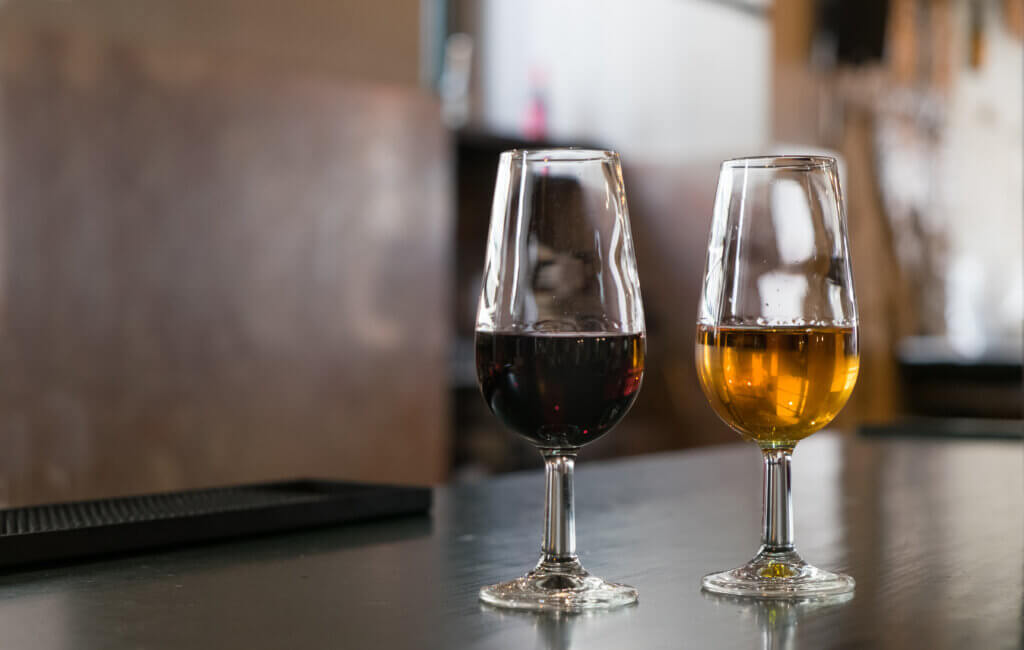
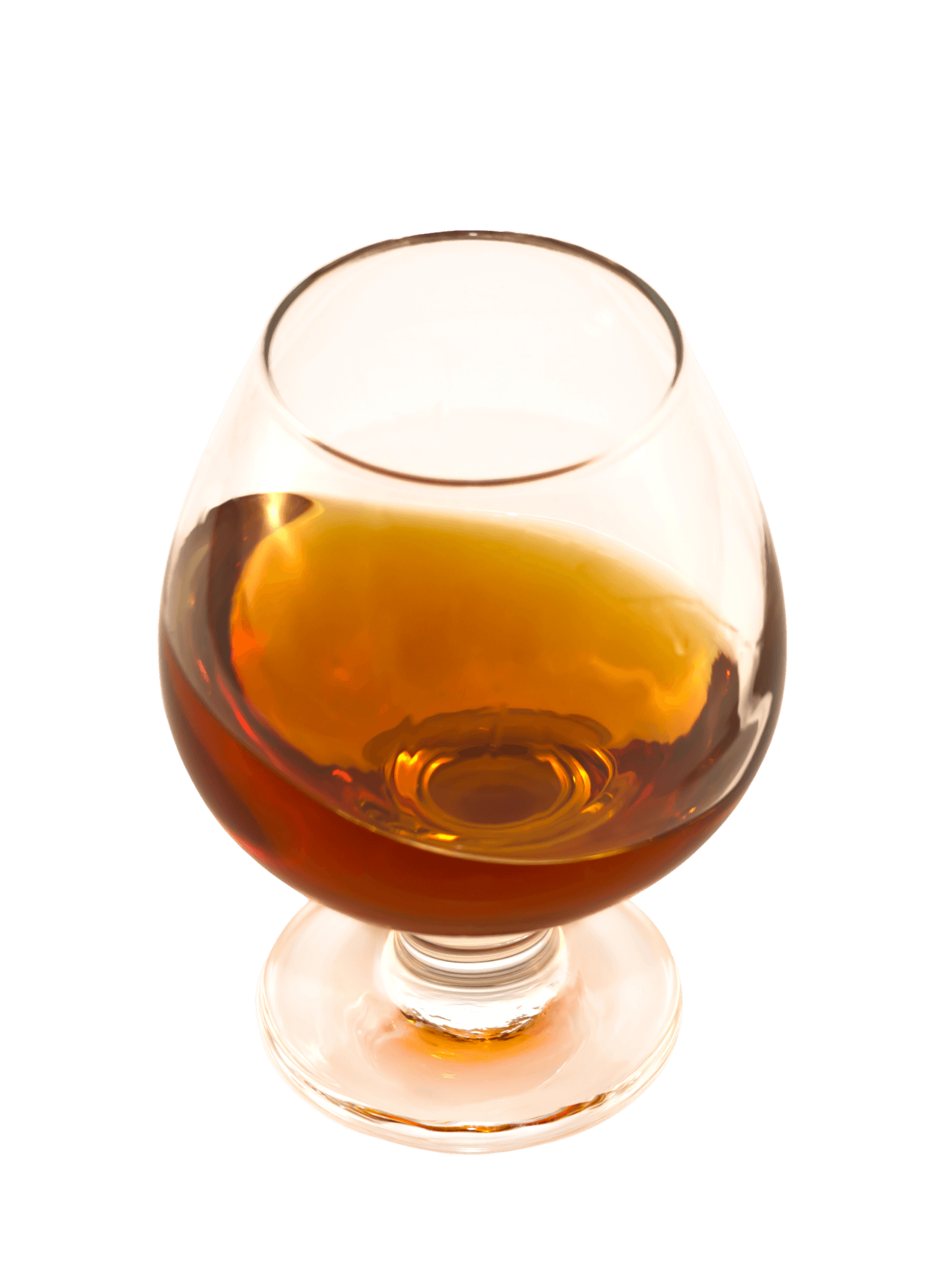
Aged in oak and fortified with our custom made estate brandy, Forte of the North White opens with an enticing golden hue.
Rich, layered notes of sun-dried apricot, poached ripe peaches, and warm caramel are anchored by delicate undercurrents of wildflower honey, toasted almonds, and crushed walnut.
The finish is bold, unhurried with a pleasantly lingering—a harmonious push-and-pull between lush sweetness and the clean, balancing acidity inherent to northern fruit.
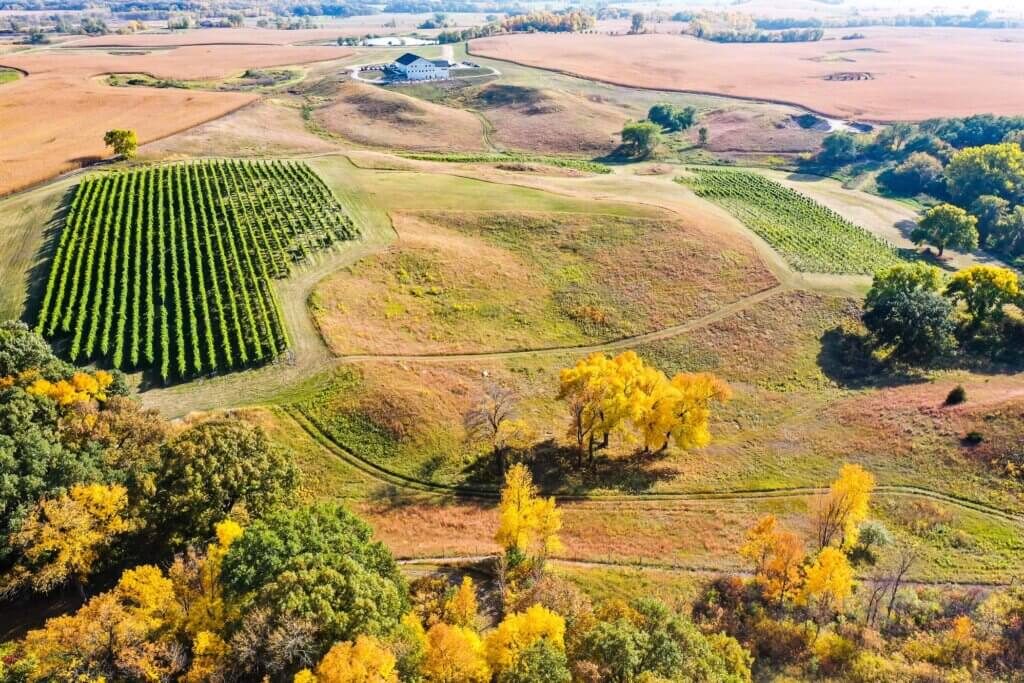
It is a true grape-to-glass estate wine: the grapes grown on our vines, fermented in our cellar, and fortified with our own distilled spirit.
100 Percent Grown In Pope County, MN
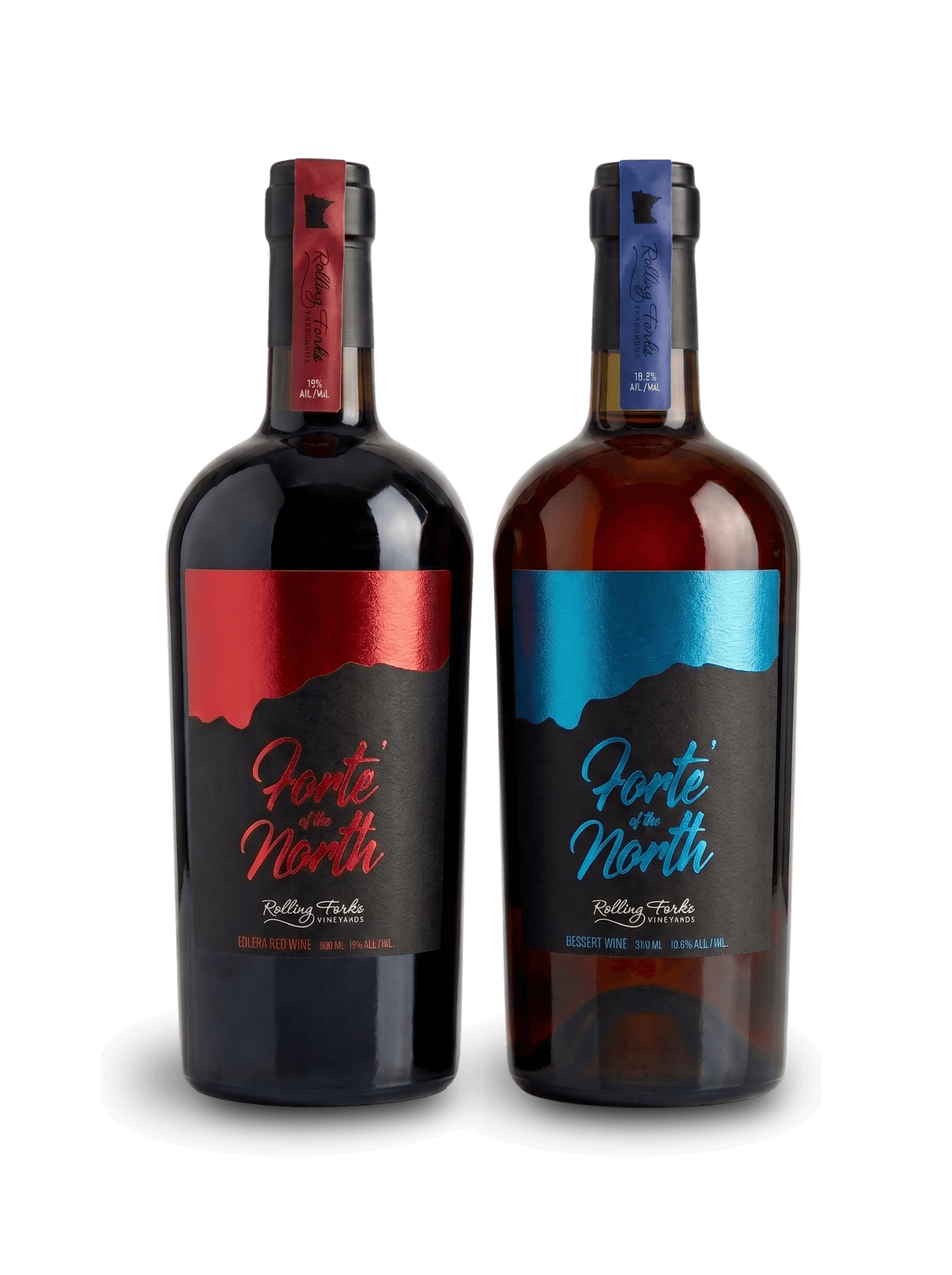
Red vs. White
The Tale of Two Fortified Expressions
With the debut of the White, our cellar now presents Forte of the North: The Port Collection—a study in contrasts.
| Feature | Forte of the North Red | Forte of the North White |
| Aging Method | 5 years in oak via Solera system | Extended oak maturation |
| Grape Base | Select estate red varietals | 100% Estate Frontenac Blanc |
| Fortification | Estate wine brandy | Estate wine brandy |
| Flavor Profile | Ripe dark fruit, black plum, warming spice, and toasted nuts | Dried apricot, ripe peaches, warm caramel, wild honey, and walnut |
| Serving Style | Cellar temperature (58–64°F) in a small glass | Slightly chilled (48–54°F), or over a single large cube |
| Ideal Pairings | Dark chocolate truffles, Stilton/blue cheese, fireside sips | Aged Gruyère, toasted almond tarts, apricot galettes, charcuterie |
Get Early Access to Forte' of the North
Our coveted Forte' of the North White Port is officially here—and through December, it is available exclusively to our Wine Club members.
Already a member? You can order yours online today or pick up in the tasting room.
Not a member yet? Claim your spot in the club today to unlock your bottle before it's gone:
No Membership Fees: Joining costs nothing upfront; you only pay for the custom bottles you select each quarter.
Your Wine, Your Choice: Complete control over your seasonal selections.
Evergreen Discounts: Enjoy year-round savings on all bottle purchases, library releases, and cellar experiences.
First Access: Secure rare small-batch experiments—like Forte of the North White and the Two-Bottle Port Collection—before public release.
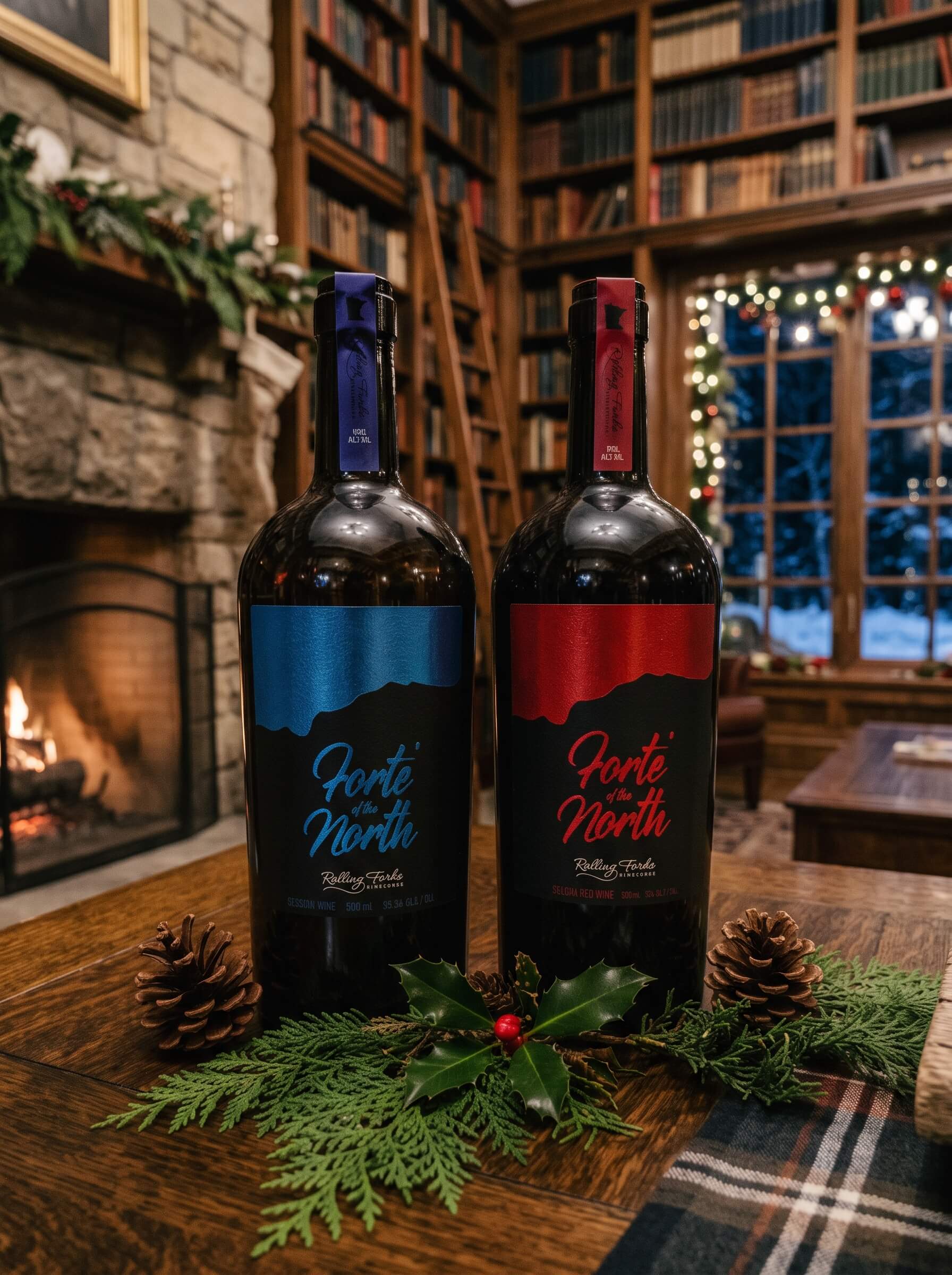
Pull up a chair by the hearth, pour a glass of northern craftsmanship, and taste what happens when patience meets the vine.
Join Our
Wine Club
Do you love our wine? Join our Wine Club and become connected with our wine, our vineyards and the people who bring them to you. Ensure you are always the first to receive new releases, get access to limited production wines, and be notified of upcoming events and news at Rolling Forks Vineyards!
How to Enjoy and Store Your Bottle

Because fortified wines have a higher alcohol content (typically sitting between 18% and 20% ABV) and have already spent years mingling with oxygen in oak, they are far more resilient than standard dry wines.
The Glass: Skip the cavernous red wine bowl. A smaller dessert or dedicated port glass (about a 3 oz pour) concentrates the delicate nutty and honeyed aromatics without overwhelming your senses with spirit warmth.
Life After Opening: Don't feel pressured to finish the bottle in one evening. Stored in a cool, dark spot or the refrigerator with the cork firmly in place, a bottle of Forte of the North will hold its vibrant character for three to four weeks—ready whenever the evening calls for a slow pour.
Don't Miss a thing