December 26, 2024
Frost to Flavor: The Rise of Cold Climate Wines & Grapes in Viticulture
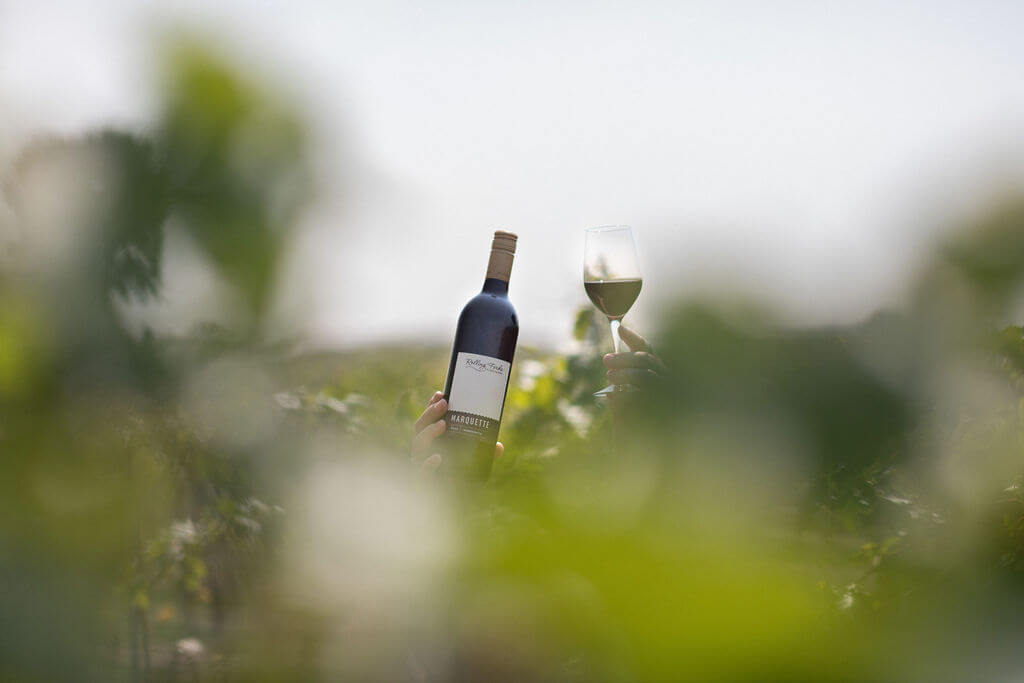
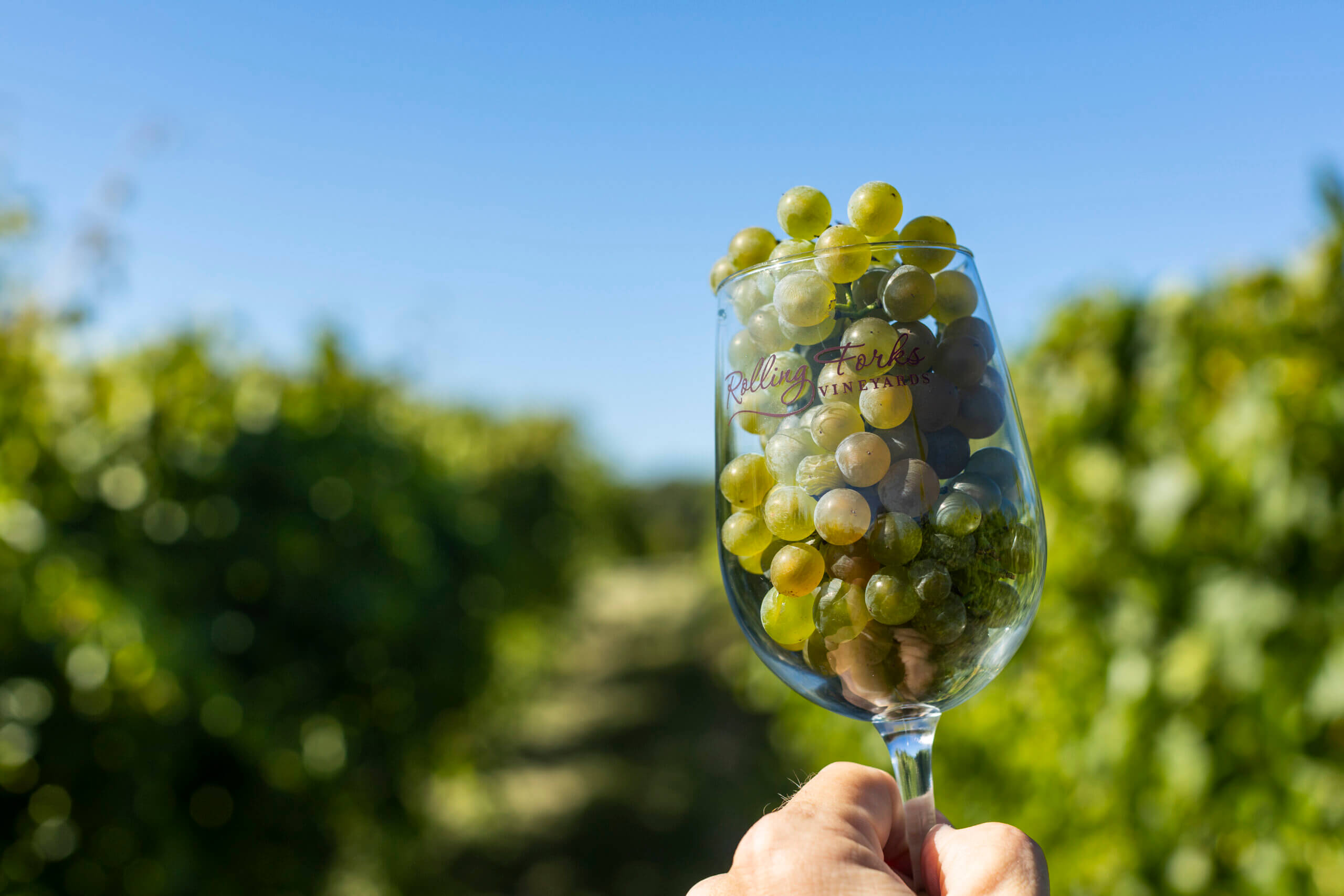
Cold climate wines, crafted from unique grape varieties such as our La Crescent and Marquette, are carving out a distinctive niche in the world of viticulture. These grapes thrive in harsher, colder environments where traditional grape varieties would falter. Therefor, they bring an innovative twist to the wine industry. Because, that which gives us Minnesotan’s character also builds character in our wines. What sets these varieties apart is not just their resilience but also the distinctive flavors and aromas they impart to the wines.
The Art of Breeding
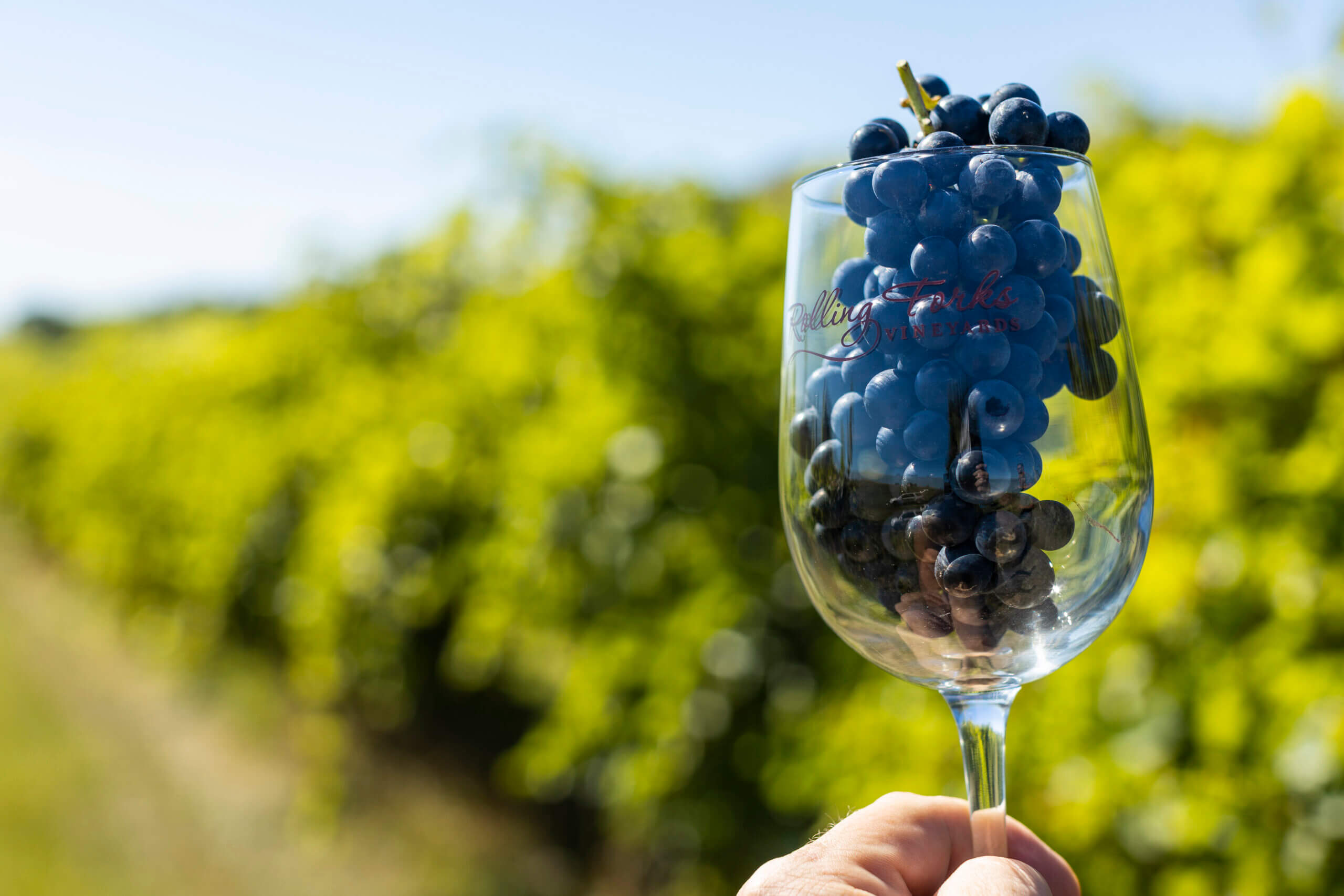
These grapes are the product of meticulous breeding programs designed to combine the hardiness necessary to withstand cold winters with the ability to produce high-quality, flavorful wines.
La Crescent, with its aromatic profile reminiscent of apricot, citrus, and tropical fruits, offers a vibrant acidity that can be likened to some of the finest German white wines. This makes it particularly appealing for producing off-dry to sweet wines that can stand up to well-established varieties in terms of complexity and appeal.
Marquette, on the other hand, is a red wine grape that brings a robust profile of cherry, blackberry, pepper, and spice. You'll also find an underlying smoothness that makes it extremely versatile in winemaking. Its ability to produce complex, full-bodied wines with a balance of tannins and acidity has earned international awards. There is a growing interest in Marquette among winemakers and wine enthusiasts alike.
These innovative breeding efforts are a testament to the dedication and creativity of viticulturists who are pushing the boundaries of what is possible in cold climate winemaking. By carefully selecting parent varieties and refining breeding techniques, these experts have managed to unlock new dimensions of flavor and adaptability. This not only benefits wine producers in colder regions but also enriches the global wine community by introducing diverse and exciting options for wine lovers.
The success of La Crescent and Marquette is paving the way for further experimentation and discovery in viticulture.
The ongoing evolution promises to keep the wine industry dynamic and fresh, offering endless possibilities for those eager to explore the world of wine.
Sustainable Contributions of Cold Climate Grapes in Viticulture
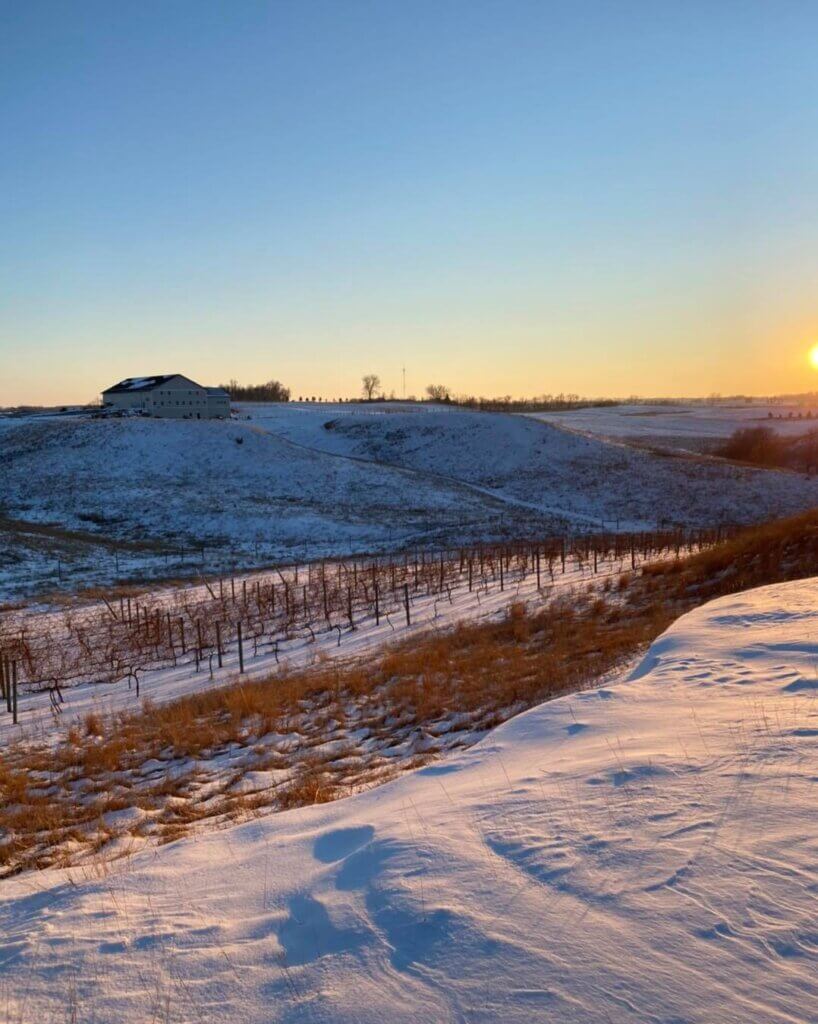
Beyond the flavor profiles, what truly sets these cold climate grapes apart is their contribution to sustainable viticulture. We are opening up regions previously considered unsuitable for traditional winemaking. By expanding the geographical diversity of wine production, these grapes lessen the reliance on the few dominating wine regions. This not only helps in reducing the carbon footprint associated with long-distance transport but also supports the growth of local economies. Moreover, the resilience of cold climate grapes reduces the need for chemical interventions, aligning with the increasing demand for organic and sustainably produced wines.
Cold Hardy Grape Varieties:
Alpenglow
Baltica
*Brianna
Clarion
*Marquette
*LaCrescent
Edelweiss
Pepin
*Prairie Star
Frontenac
*Frontenac Gris
*Frontenac Blanc
*Crimson Pearl
St. Croix
Lacrosse
Petite Amie
*Petite Pearl
Seyval Blanc
Swenson Red
Verona
Leon Millot
Landot Noir
Marechal Foch
*Louise Swenson
Itasca
Sabrevois
*grown by Rolling Forks Vineyards
The Impact of Cold Climate Grape Varieties on Winemaking in the Midwest
The introduction of the cold climate grape varieties we have in Minnesota and across the North is not simply an expansion of the types of grapes used in winemaking. It represents a broader shift towards sustainability, resilience, and innovation in the industry. These grapes are setting new standards for what can be achieved in regions with challenging climates. They offer a palette of flavors and aromas that challenge the dominance of traditional varietals. As they continue to gain popularity and acceptance, cold climate wines promise to bring new experiences to wine lovers around the world. Our cold hardy grapes are enriching the global wine landscape with their unique character and potential.