October 22, 2024
The Magic of Cold Climate Wines
In the world of wines, the term 'cold climate' often conjures up images of snow-covered vineyards and icicles hanging from grapevines. While this may be true to some extent, the reality is that cold climates offer a unique set of growing conditions that contribute to the development of distinct flavors, a lighter body, and a rich diversity of wine styles.
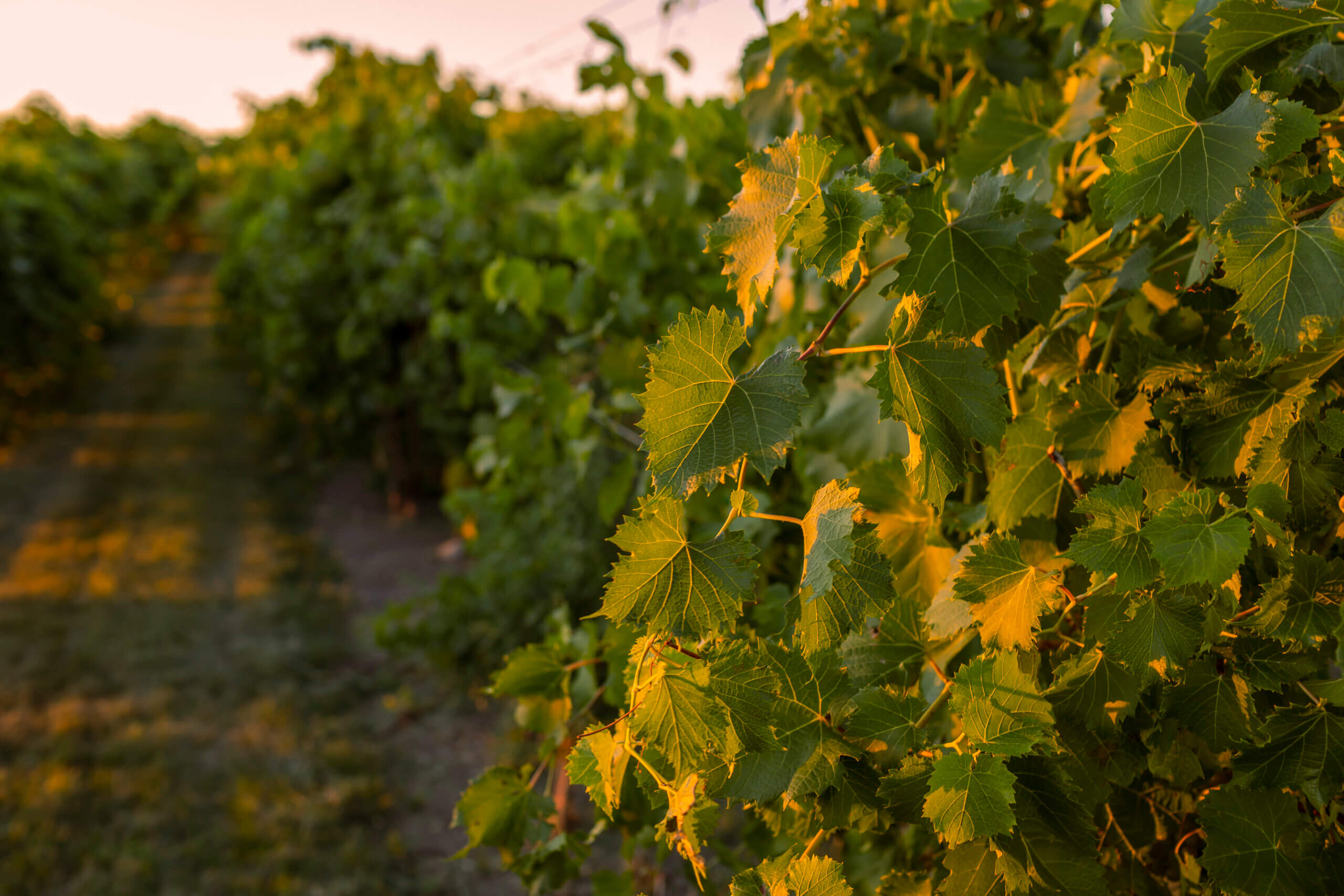
What Makes Cold Climate Wines Unique
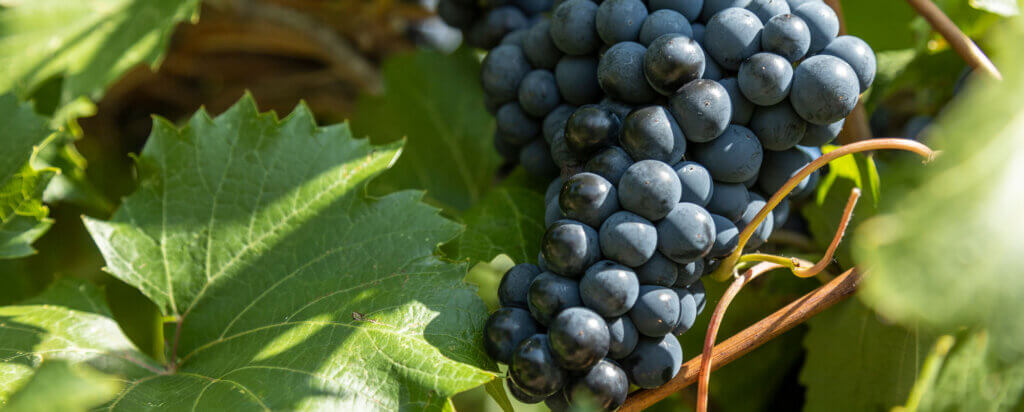
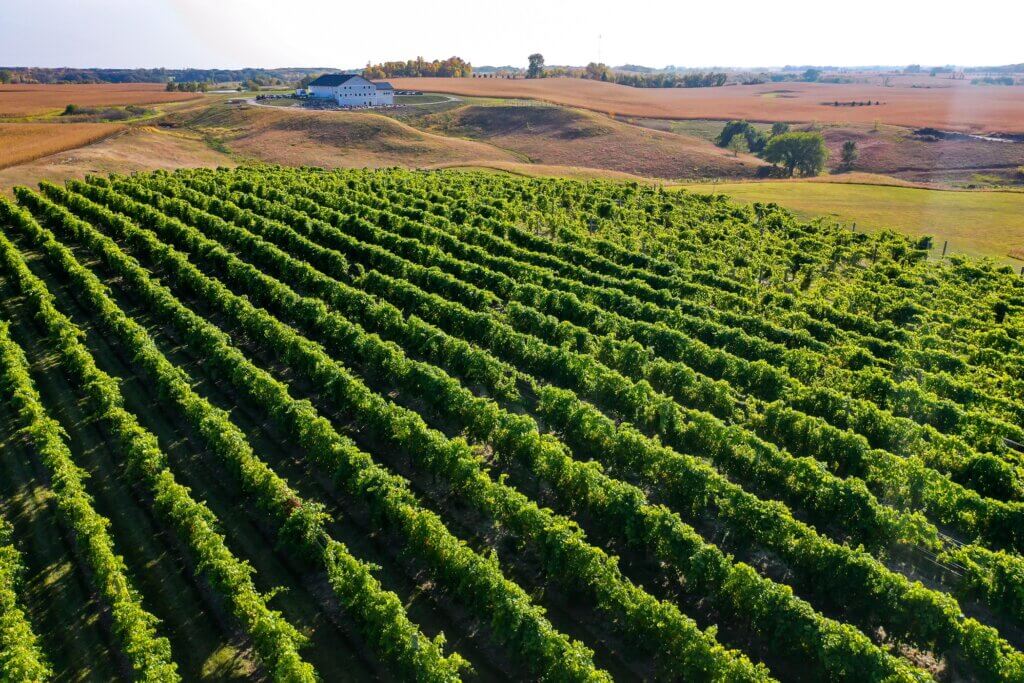
The primary difference between wines produced in colder climates and those from warmer regions is the growing season. In colder climates, the season is shorter, resulting in lower sugar content and higher acidity in the grapes. This combination of factors gives cold climate wines their characteristic crisp, vibrant taste, making them quite refreshing. These wines are ideal for pairing with a wide range of foods.
The slower ripening process in cold climates also allows for the development of more complex flavors and aromas. The cool air and reduced sunlight provide the perfect conditions for the grapes to slowly accumulate the flavors and aromas that make these wines so unique.
A Perfect Pairing for Every Palate
One of the great things about cold climate wines is that they are incredibly versatile when it comes to food pairing. The high acidity in these wines makes them a perfect match for a wide range of foods.
From the acidic bite of a tomato-based pasta sauce to the rich, creamy texture of a cheese platter, these wines can complement almost any dish. The crisp, vibrant flavors of cold climate wines are also a refreshing contrast to the rich, heavy flavors of many cold weather comfort foods.
Lighter Body, Richer Diversity
The lighter body of cold climate wines is a direct result of the region's cooler growing conditions. The slow ripening process, with its lower sugar content and higher acidity, leads to delicate, approachable wines with a focus on finesse rather than power.
Despite their lighter body, these wines can offer a surprising amount of complexity. The unique growing conditions in colder climates allow for the development of intense aromas and flavors that contend easily among more common wines.
A Finesse Born of Adversity
While the shorter growing season and cooler temperatures may present challenges for winemakers, they also provide opportunities. The more difficult growing conditions force winemakers to work harder, leading to wines with more finesse, elegance, and complexity. The struggle of the cold climate winemaker is rewarded with the distinct, vibrant flavors that characterize these unique wines.
Cold climate wines offer a truly unique tasting experience. From their crisp, refreshing flavors to their ability to pair with a wide range of foods, these wines are a testament to the magic of winemaking in colder climates. So, the next time you reach for a bottle of wine, why not opt for one from a colder region? You might just discover a new favorite.