March 15, 2025
Making A Sustainable Difference
Prioritizing Our People and the Planet: The Heart of Rolling Forks Vineyards
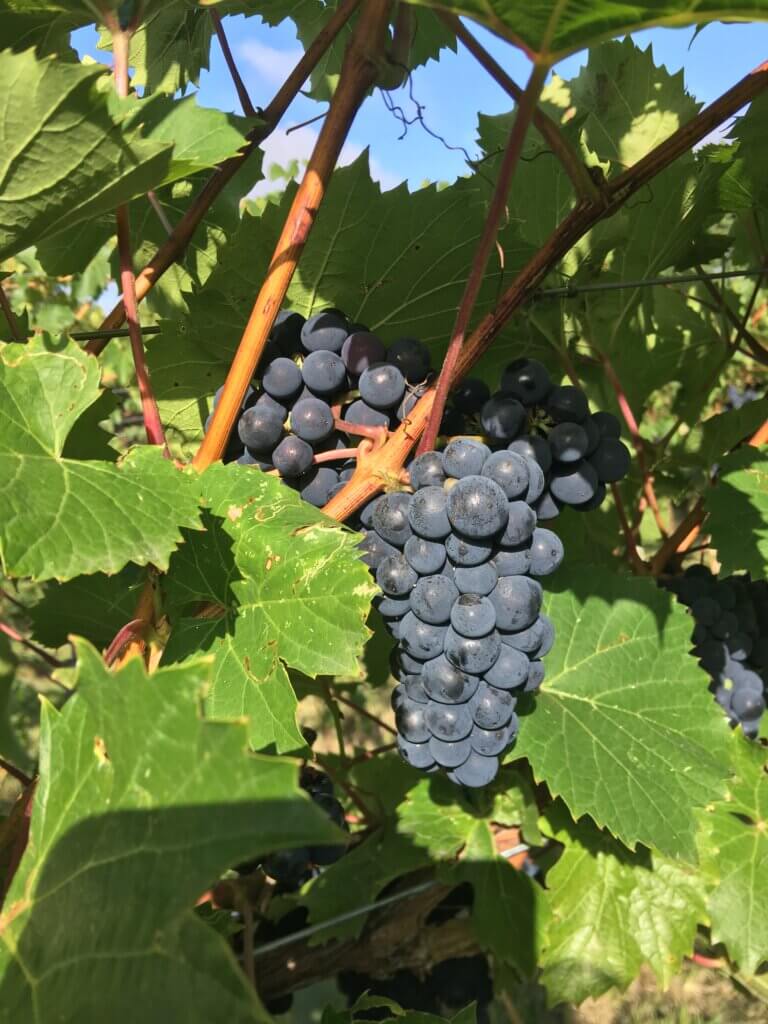
At Rolling Forks Vineyards, family is at the core of our values. As a family-owned business, we understand the importance of preserving our land, water, and community. Our commitment to sustainability ensures that we can continue crafting award-winning wine for generations to come. Owners Joe and Melanie Cihlar, along with their children, Henry, Vince, and Oliver, operate the 620-acre farm. They manage 18 acres of grapes (6,100 vines), and a rotation of corn, wheat, and soybeans, and are transitioning to include 140 acres of forage crops.

Sustainable Practices: Our Commitment to the Environment
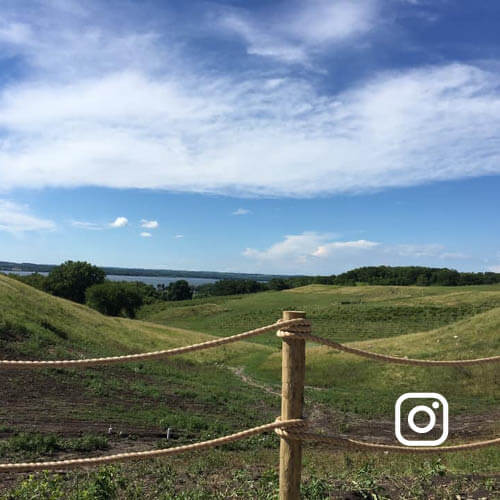
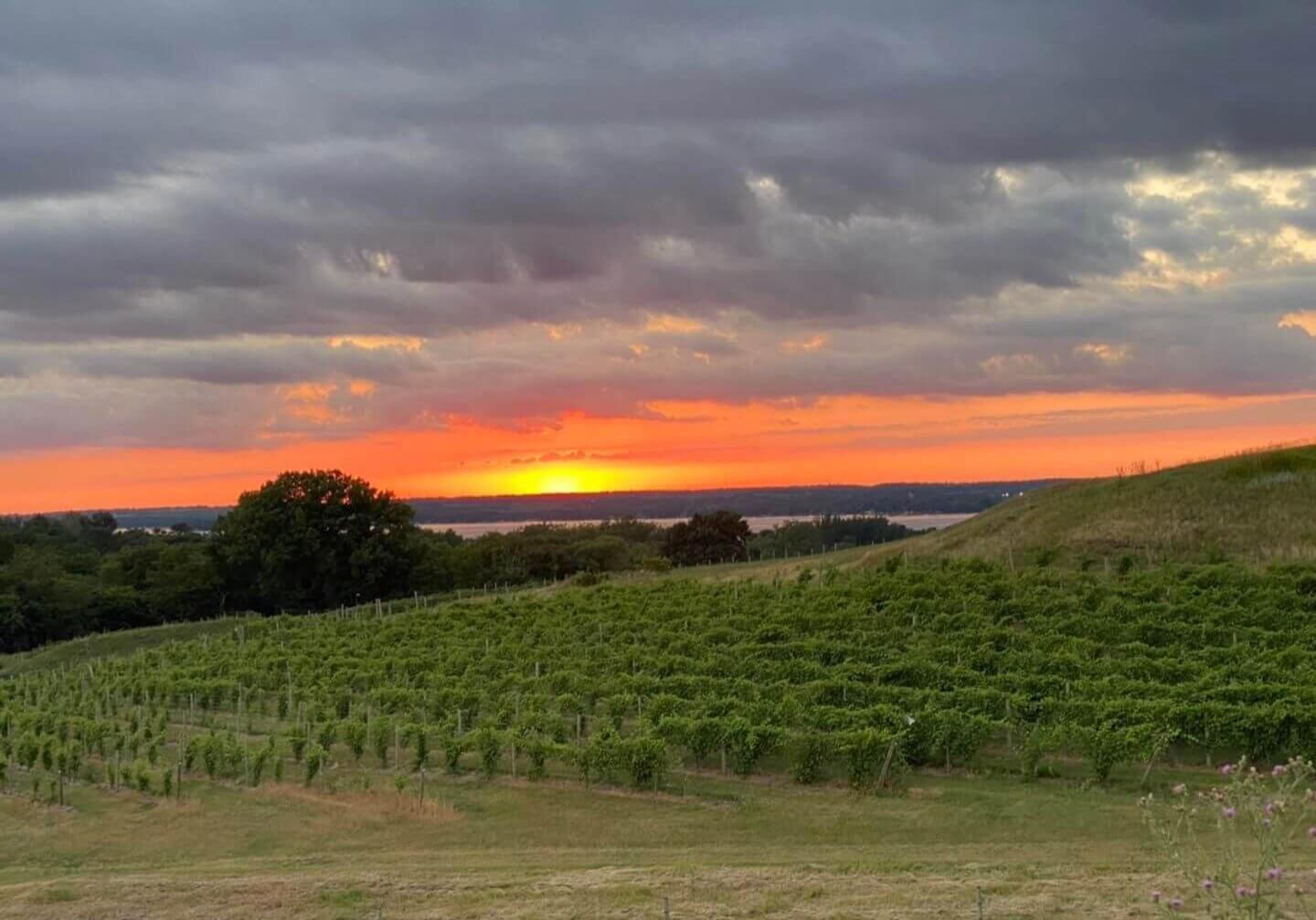
As stewards of these beautiful glacial hills, we have embraced a range of sustainable practices, diligently studying and implementing new methods each year. Our commitment to conservation earned us recognition as the 2023 Pope SWCD and MASWCD Outstanding Conservationists of the Year. Here are some of the key sustainability and conservation efforts we have embraced:
Soil Health & Regenerative Farming:
Our focus on soil health and carbon sequestration is central to our environmental strategy. By keeping carbon in the ground, we promote a thriving ecosystem, enhancing the quality of our vineyards and crops. We utilize no-till and reduced tillage on our entire operation, grid soil sample all acres in a 4-year rotation, and tissue sample annually. Following the University of Minnesota recommendations for phosphorus and potassium we only apply fertilizer when needed. With our on-site weather station we carefully monitor soil moisture, temperature, and leaf wetness . We have also installed 16 water and sediment control basins and 3 terraces in partnership with the Pope SWCD and NRCS. Those projects were funded through the Clean Water Fund and EQIP, including cost-sharing for cover crops and reduced tillage on 93 acres.
Additionally, we maintain filter strips and conservation cover areas near ditches and public waters, creating buffers to protect water quality. We do not plow to tile intakes, maintaining grass strips for additional filtering, and have replaced open tile intakes with 12 water quality inlets.
Forestry Improvement and Establishment:
We actively manage and improve our land through various forestry practices. In 2022, we planted a five-row shelterbelt near the winery, including 200 black chokeberry, 75 hazelnut, 150 sugar maple, and 2,000 feet of weed barrier. Furthermore in 2023, we added 25 crabapple trees along the winery driveway and are planning another shelterbelt. These projects are planned, purchased, and planted in partnership with the Pope SWCD. We also maintain all field borders.
Pollinator Habitat and Wildlife:
We are committed to supporting pollinators and wildlife. In 2022, we planted 2.1 acres of pollinator habitat and 12 acres of native grass, also with the Pope SWCD. Native grasses, trees, a pollinator planting, and a food plot inhabit the 56.69 acres enrolled in the Conservation Reserve Program. In addition, we maintain approximately 35 acres in US Fish and Wildlife Easements, which include food plots. The Paulson project, a grade stabilization structure, has restored a wetland area, creating additional wildlife habitat. This diversity provides us with great opportunities for hunting deer, turkeys, and pheasants. We also maintain two honeybee hives for pollination and personal use.
Eco-Friendly Packaging:
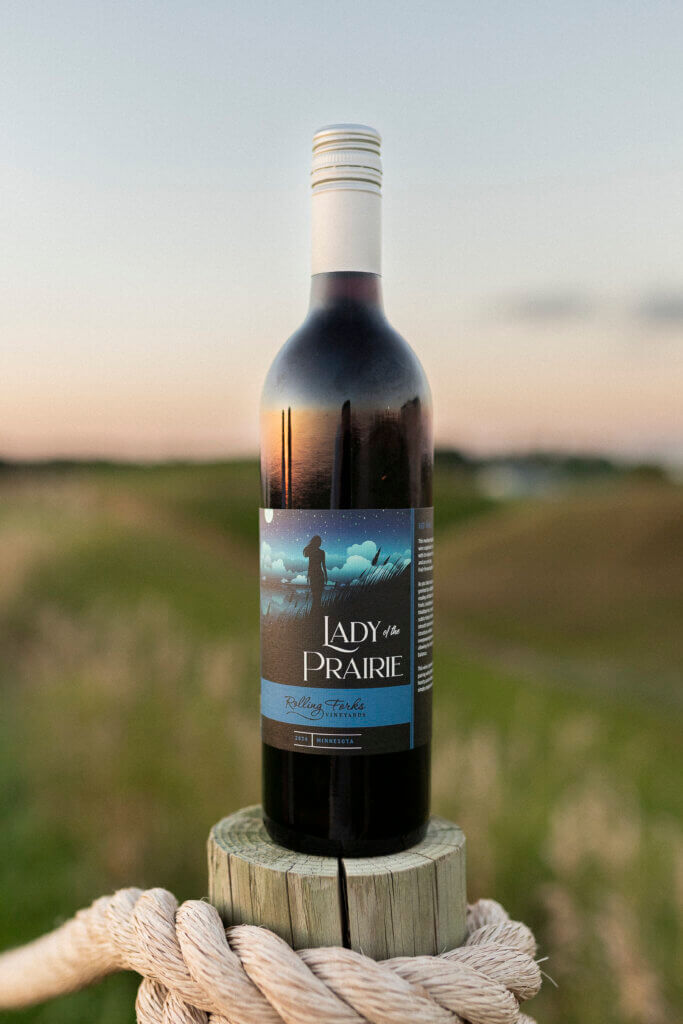
At Rolling Forks Vineyards, reducing our environmental impact is a priority. We have taken significant steps to lower our carbon footprint by reducing bottle weight and incorporating recycled materials into our packaging. This eco-friendly approach ensures that every bottle reflects our dedication to sustainability.

Community Engagement:
Giving back to the community is a fundamental aspect of our identity. Each year, Rolling Forks Vineyards proudly supports numerous organizations, strengthening our community and extending the spirit of sustainability. We are members of the Lakes Area Leaders 4-H Club and recently hosted them for a wood duck house building project. Additionally, we are also members of the chamber, Minnesota Wine and Grape Alliance, and Farm Bureau. You'll often find us hosting tours for groups like the Watershed Joint Powers Board and Farm Bureau’s Breakfast on the Farm.
Cropland and Pasture Management:
We farm 620 acres, including corn, wheat, soybeans, and grapes. We are transitioning to a 25% forage crop and 75% row crop rotation, working with local producers to market the forage. (alfalfa, sorghum, sudan grass, and teff) This rotation helps break up harvest cycles, protects hilly terrain, and provides continuous cover. Our grapes are irrigated with a variable rate drip tape system, informed by our on-site weather station. The remaining cropland is dryland.
Integrated Pest Management:
Our team manages all scouting and spraying, mindful of the sensitivity of grapes to herbicides. Precise timing is crucial to avoid crop damage. Perennials in the rotation help manage weeds, insects, and pesticide resistance.