January 7, 2026
All About Bubbles: A Sparkling Journey Through History and Terroir
The Accidental Revelation: When Bubbles First Danced
Our story begins not in grand cellars, but likely in the humble vineyards of Northern France, centuries ago. Monks, diligently producing still wines, often found their bottles unexpectedly re-fermenting in the cool spring air. The glass trapped the resulting gas which would sometimes cause bottles to explode – earning it the nickname "the devil’s wine." Imagine the surprise, and perhaps initial frustration, of these early winemakers!
But amidst the chaos, curiosity prevailed. Eventually, producers like the legendary Benedictine monk Dom Pérignon, whom historians often credit (though perhaps apocryphally) with exclaiming, "Come quickly, I am drinking the stars!", began to understand and, crucially, control this secondary fermentation. While he didn't invent Champagne, his contributions to viticulture, blending, and corking techniques were instrumental in refining what became the world's most famous sparkling wine.
From French Courts to Global Cheers: The Rise of Champagne
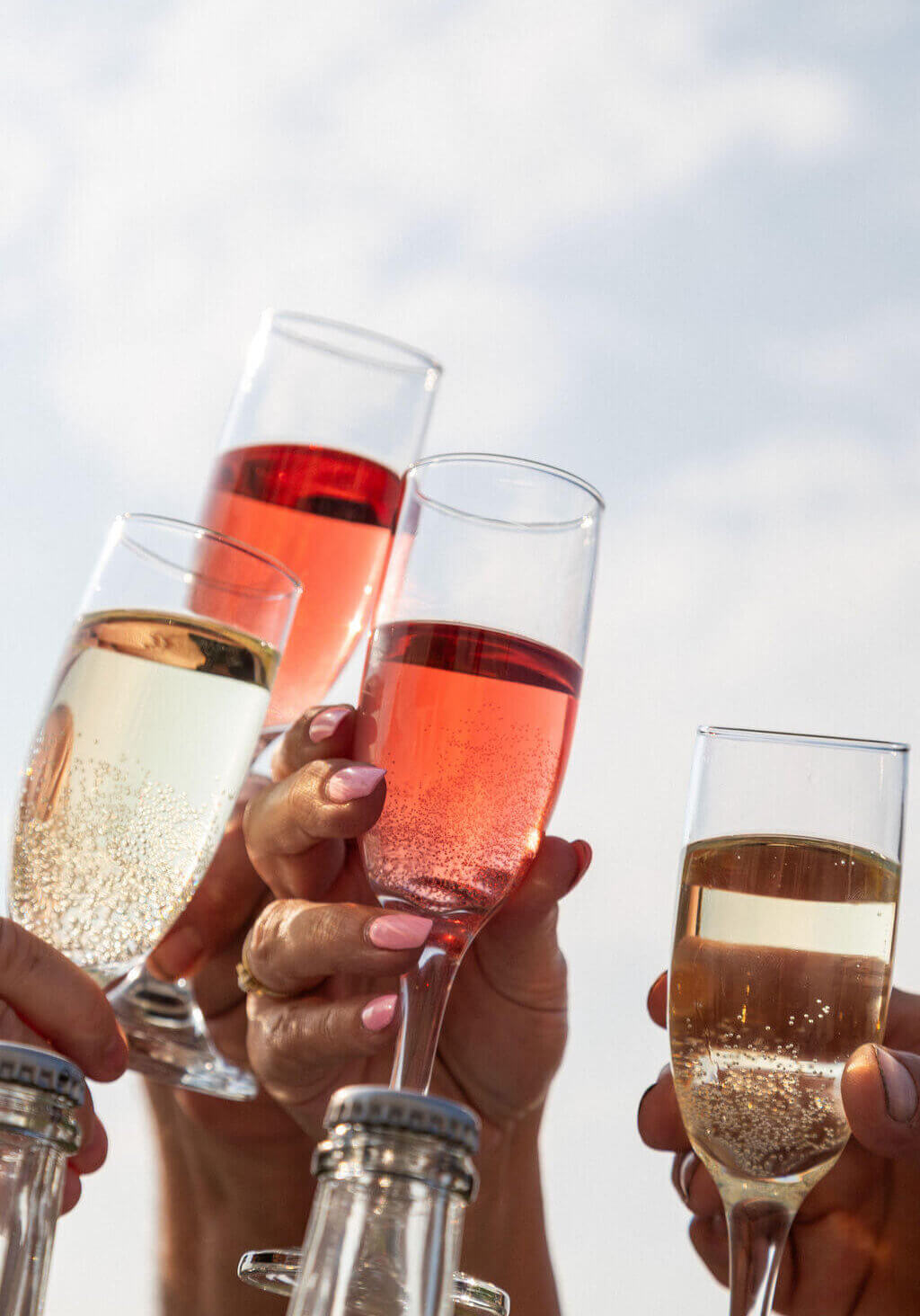
Producers closely guarded the secret of sparkling wine production, particularly in the Champagne region of France. French royalty and aristocracy quickly adopted "Champagne" as the drink of celebration and status. Imagine lavish balls in Versailles, where clinking glasses of bubbly signified prosperity and joy.
Winemakers adopted the 'Méthode Champenoise' as the gold standard. "Méthode Champenoise" (now often called Méthode Traditionnelle outside of Champagne) – involves a second fermentation in the bottle, riddling, and disgorgement. This meticulous process, labor-intensive and precise, allowed for the fine, persistent bubbles and complex flavors that are the hallmark of great sparkling wine.
As the industrial revolution progressed and glass bottles became stronger, producers could no longer contain the secret of sparkling wine. Its popularity soared, spreading across Europe and eventually the globe. Every pop of a cork became synonymous with festivity, from launching ships to toasting new beginnings.
Beyond the Tradition: Other Methods of Making Sparkles
While the Méthode Traditionnelle is the gold standard for complexity, it isn't the only way to get bubbles into the bottle. Different methods allow winemakers to highlight different aspects of the grape, from fresh fruitiness to wild, natural textures.
-
The Charmat Method (Tank Method): This is the most common alternative to the traditional method. Instead of a second fermentation in individual bottles, the wine undergoes the process in large, pressurized stainless steel tanks. This method preserves the fresh, floral, and primary fruit aromatics of the grapes, making it the go-to for wines like Prosecco.
-
The Ancestral Method (Pét-Nat): This is likely how those early monks first "accidentally" created bubbles. The wine is bottled before the first fermentation is even finished. The remaining sugars ferment inside the bottle, trapping the gas. These wines, often called Pétillant Naturel (or Pét-Nat), are usually unfiltered, slightly cloudy, and have a rustic, lively charm.
-
The Transfer Method: This starts exactly like the traditional method with fermentation in the bottle. However, rather than the tedious process of riddling and disgorging each bottle one by one, the bottles are emptied into a pressurized tank, filtered to remove yeast, and then rebottled. This offers a balance between quality and efficiency.
-
Carbonation: Much like how soda is made, CO2 is simply injected into a still wine. This method produces larger, shorter-lived bubbles and is generally used for lower-priced, approachable sparkling wines.
A World of Sparkle: Beyond Champagne
While Champagne remains the iconic name, the world of sparkling wine is vast and vibrant. From Spanish Cava to Italian Prosecco, German Sekt to American sparklers, each region brings its own grape varietals, terroir, and techniques to the effervescent party. What unites them is the dedication to capturing that singular magic of bubbles.
And here in Minnesota, against all odds, a new chapter in the sparkling story is being written. Our hardy grape varietals, developed to thrive in cold climates, are proving to be exceptionally well-suited for crafting bright, crisp, and delightfully effervescent wines.
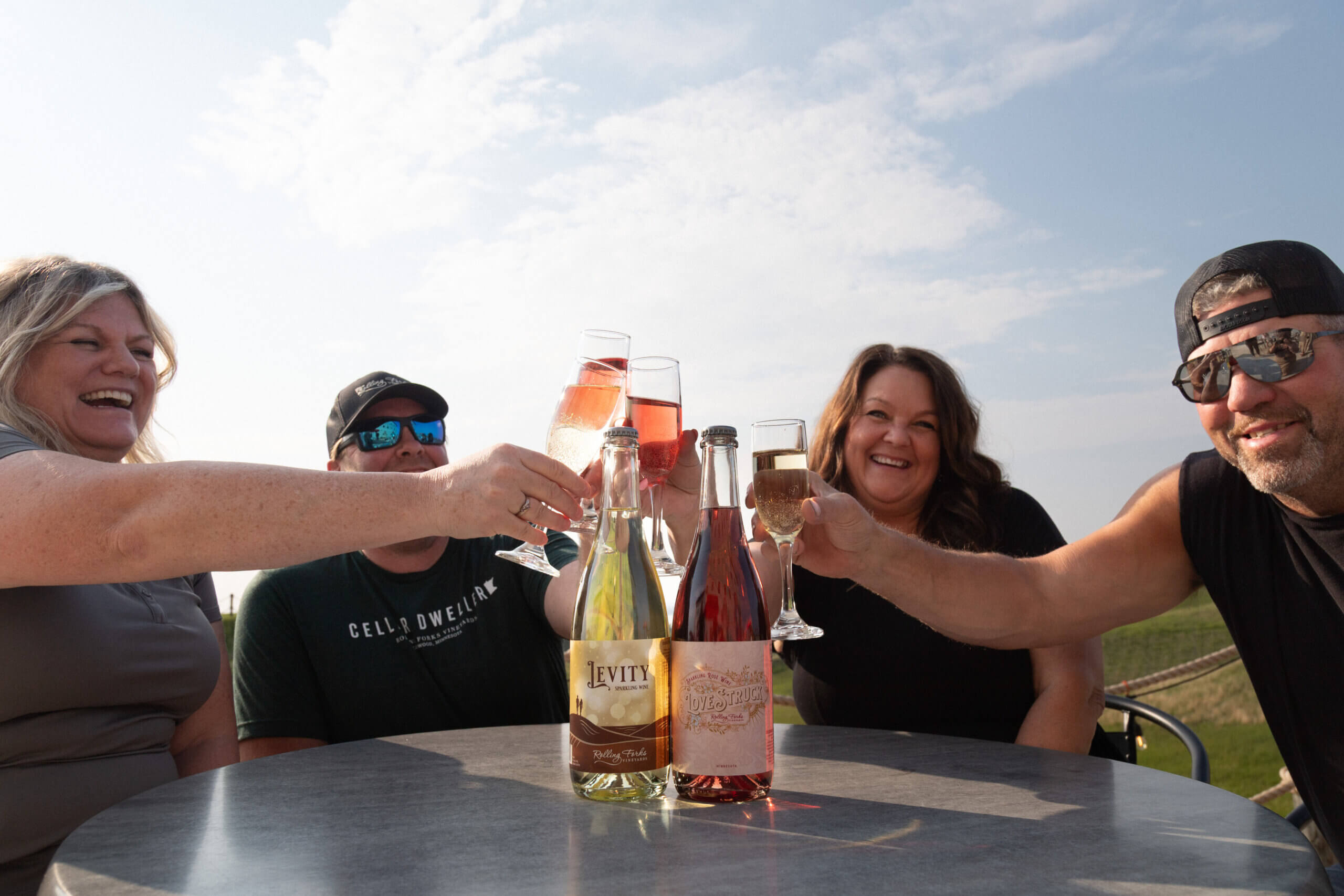
Bubbles from the Land of 10,000 Lakes: Rolling Forks Vineyards' Sparkling Collection
At Rolling Forks Vineyards, nestled on the shores of Lake Minnewaska, we've embraced the art of sparkling wine with passion and innovation. We believe that exceptional bubbly can, and should, come from our very own backyard. We’re incredibly proud to offer sparkling wines that capture the freshness and vibrancy of Minnesota terroir.
Levity: Our Year-Round Celebration
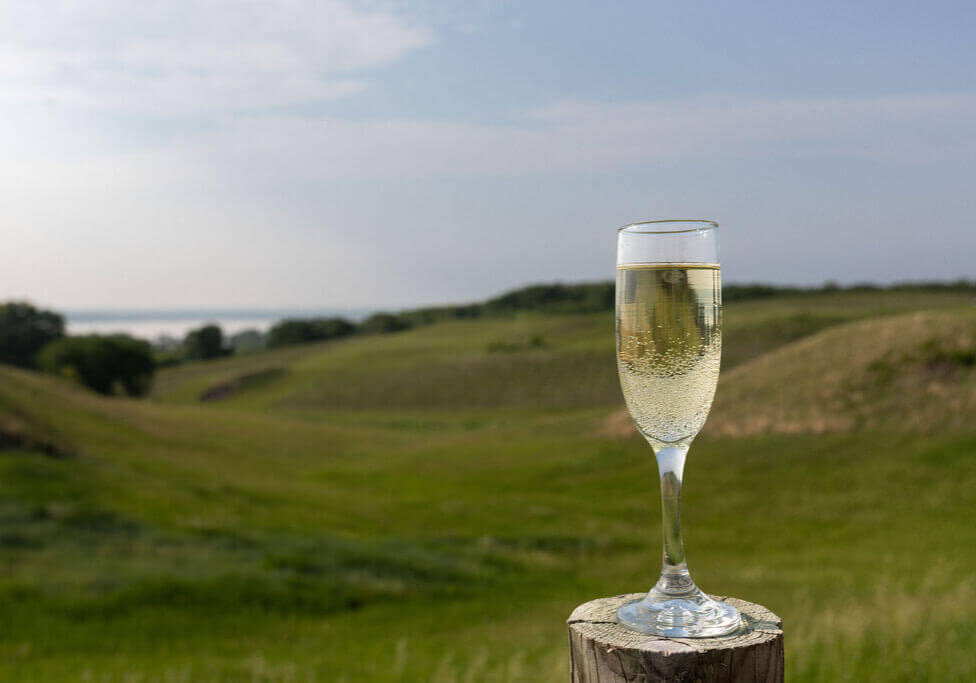
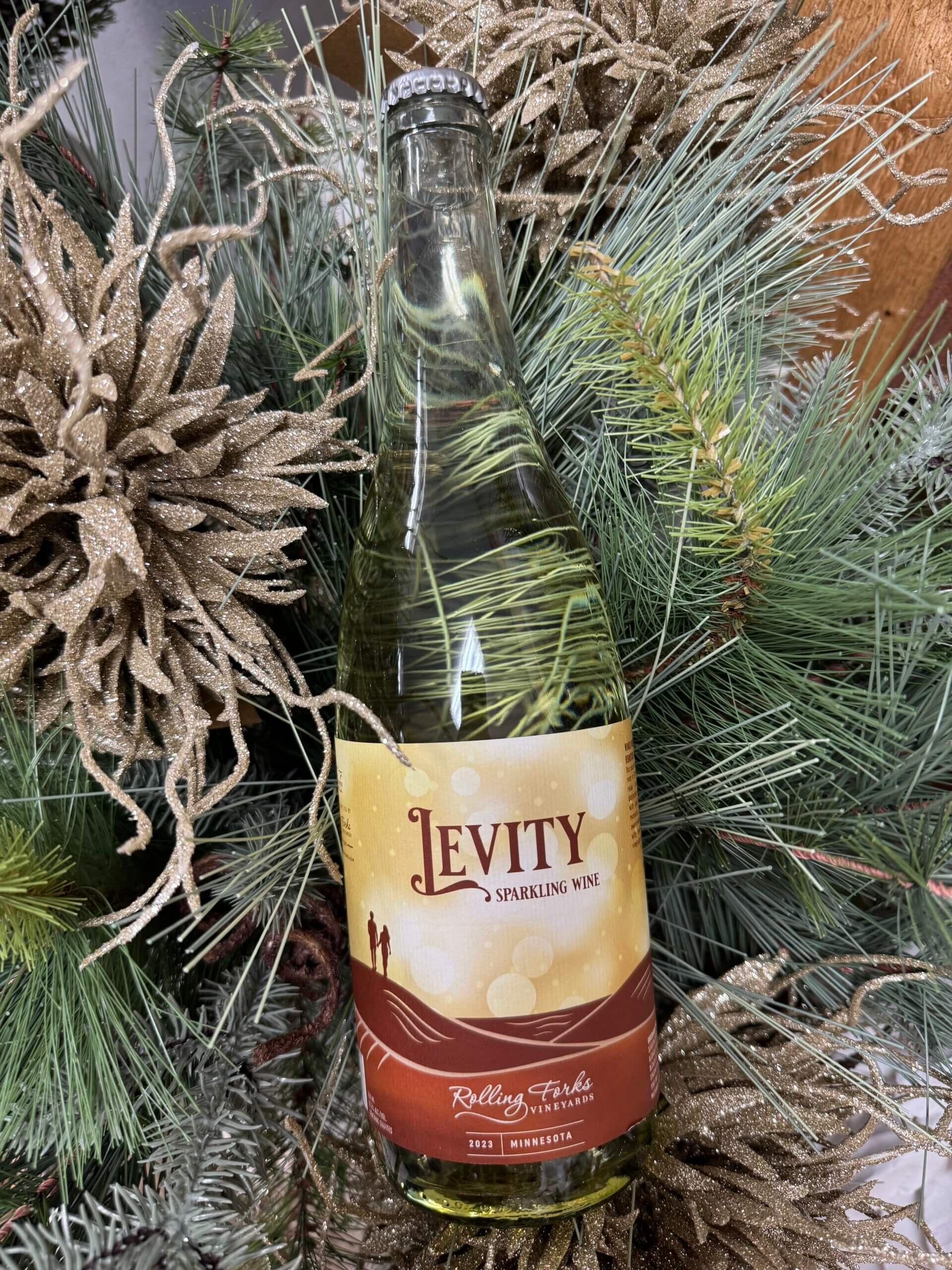
Our flagship sparkling wine, Levity, is a dry, brut-style sparkling white wine. With a fine balance of acidity, fruitiness, and effervescence, Levity offers a crisp, refreshing experience. With its notes of green apple and citrus paired with floral aromas and a pale straw color Levity showcases an approachable flavor profile. It greets you with bright aromas of green apple and citrus, followed by a crisp palate and a delicate mousse of fine bubbles. It's the perfect companion for brunch, appetizers, or simply adding a touch of elegance to any moment.
A Seasonal Toast: Merry Berry
While we look forward to the blush of spring with Love Struck, we are still savoring the festive notes of Merry Berry. This seasonal release is designed for the cozy Minnesota winters, offering a fruit-forward sparkle that pairs perfectly with holiday leftovers and snowy nights by the fire.
Love Struck: Crafted for Connection
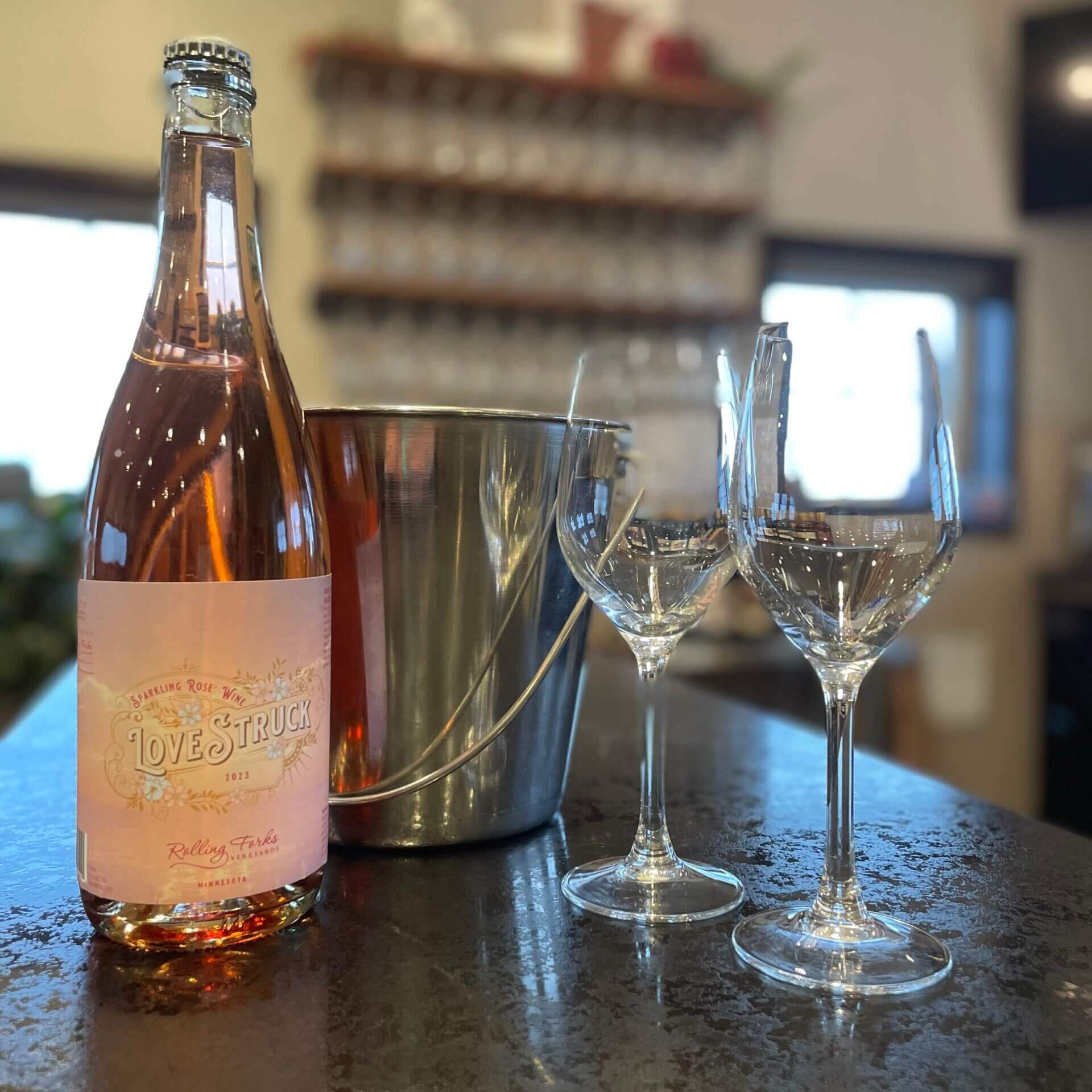
As we lean into the romantic spirit of the new year, we are thrilled to announce that our most beloved seasonal sparkler is returning. Mark your calendars for January 15th for the official release of the newest vintage of Love Struck.
Love Struck is a harmonious sparkling rosé that glows with the soft pink blush of a new romance. This isn't just a wine; it’s an experience.
The Blend: This award-winning rosé is a complex marriage of cold-hardy stars. Frontenac Gris provides a bright aromatic backbone of peach and apricot; Petite Pearl lends its deep color and structure; Prairie Star adds a delicate floral essence; and Louise Swenson rounds it all out with a smooth, pleasant finish.
Tasting Notes: Expect a refreshing effervescence that carries notes of ripe raspberries, delicate rose petals, and a whisper of citrus.
Award-Winning Quality: Our 2023 vintage didn't just win over our guests—it took home Silver at the 2025 Cold Climate Wine Awards and was named Best of Show (Sparkling) at the 2024 MN Monthly Food & Wine Event.
Pairing Tip: Love Struck is incredibly versatile. It’s stunning alongside a fresh Caprese salad or prosciutto-wrapped melon, and it’s a dream when paired with chocolate mousse.
Join Us for a Pour
History buffs and bubble lovers: visit us in Glenwood to experience the legacy of the "devil’s wine" firsthand. Experience the legacy of the "devil’s wine" transformed into the "spirit of the prairie."
We’ll see you on January 15th for the release of Love Struck. Let’s raise a glass to new beginnings!
Don't Miss a thing