December 12, 2024
A Little Wine Wisdom Can Enrich Our Lives
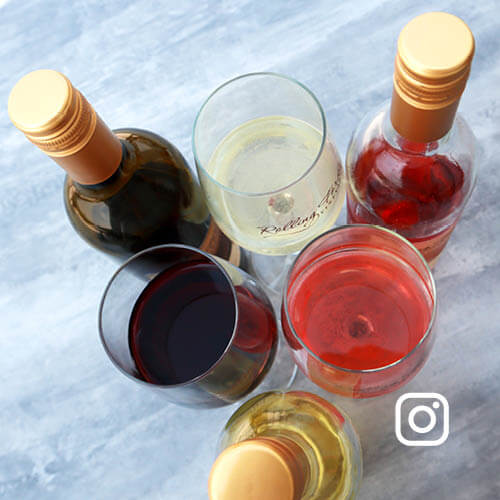
At its core, wine is about moments—shared meals, celebrations, and connections with loved ones. An interplay of senses weaves together the aromas and flavors with the moment we are experiencing. An informed wine-tasting experience transforms mere consumption into a lasting impression by noticing different flavor profiles. This wisdom enriches our lives by connecting different sensory experiences in the same moment.
Turn moments into memories by understanding of the complex interplay of aromas, tastes, and textures that each wine presents. Moreover, the recognition of these profiles is a crucial step in the appreciation of the art of winemaking itself.
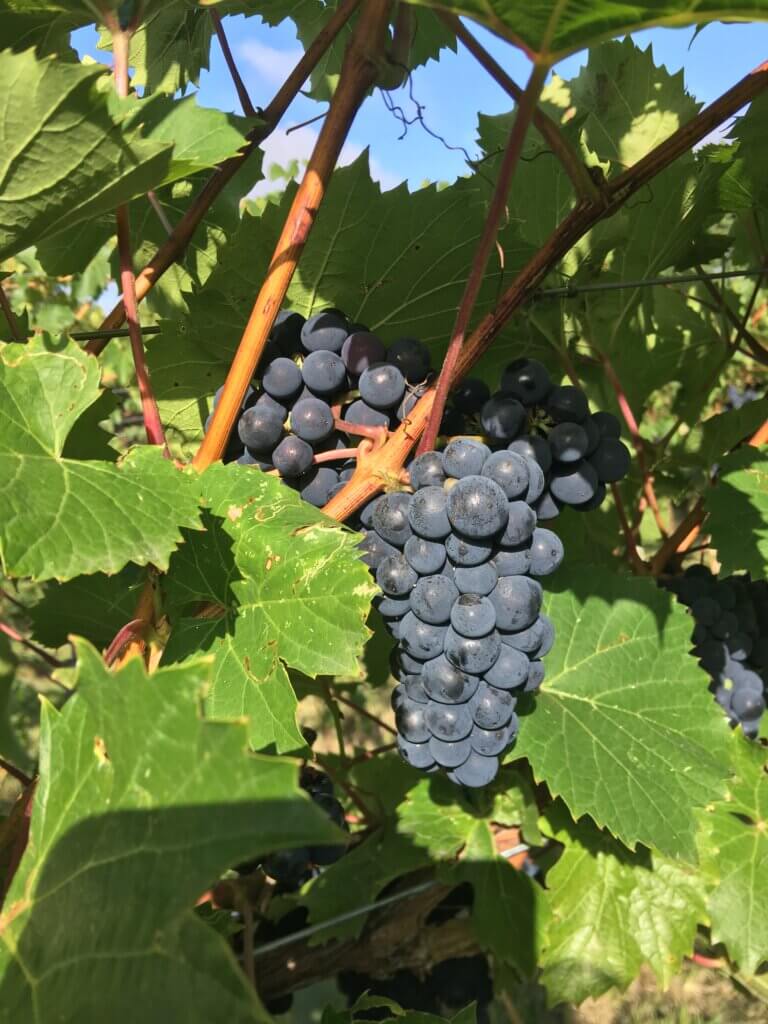
A deeper appreciation for the craftsmanship behind each bottle is gained as subtleties of wine are attuned to. The hard work in the vineyard, the unique climate conditions, and the passion of the winemakers are recognized. A celebration of artistry and tradition is created by this knowledge. With each sip greater respect for the ritual of sharing wine with loved ones is inspired.
Understanding Basic Flavor Profiles in Wine
To understand basic flavor profiles, you need to recognize the primary tastes: sweet, sour, salty, and bitter. Sometimes,umami is included as a fifth category. Umami, a Japanese term, describes the meaty, savory deliciousness that deepens flavor.
In wine, you detect sweetness at the tip of the tongue. This sweetness results from residual sugars left after fermentation or reintroduced after fermentation. Dry wines contain fewer residual sugars and therefore exhibit less sweetness.
You taste acidity, which gives wine its tartness, on the sides of the tongue. Acidity is a key component that makes a wine feel fresh and lively.
Bitterness, often linked with tannins, is detected at the back of the tongue and is more prominent in red wines. Tannins also contribute to the wine's texture, giving it a dry or astringent feeling in your mouth.

Aroma
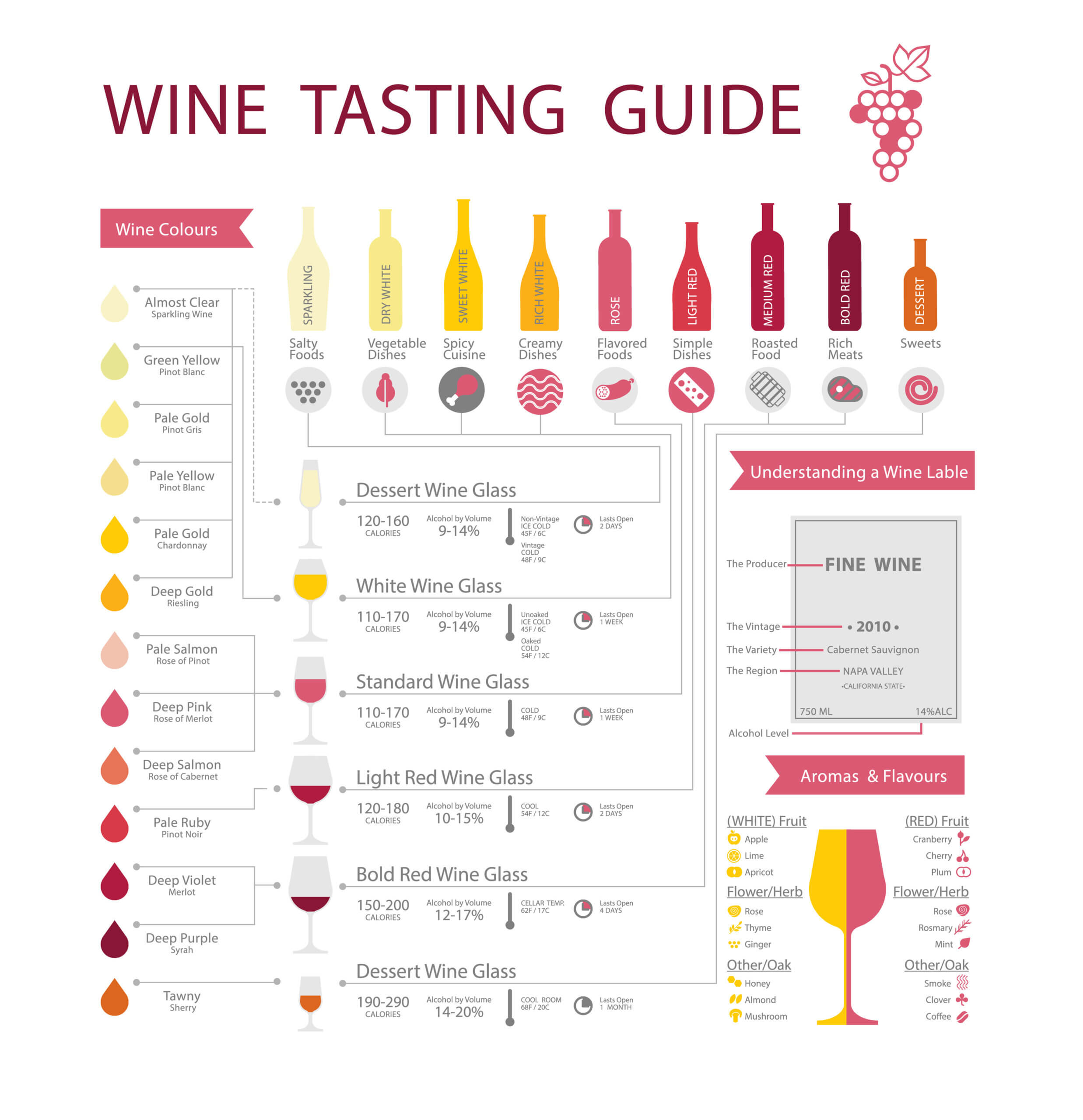
Moving beyond the basic tastes, the aroma plays a significant role in identifying flavor profiles. Aroma can be broken down into three categories:
- primary: derived from the grape variety and includes fruity and floral notes
- secondary: arising from the fermentation process, including bread or yeast-like aromas
- tertiary: developed during aging in the bottle or barrel, including flavors like vanilla, tobacco, or nut
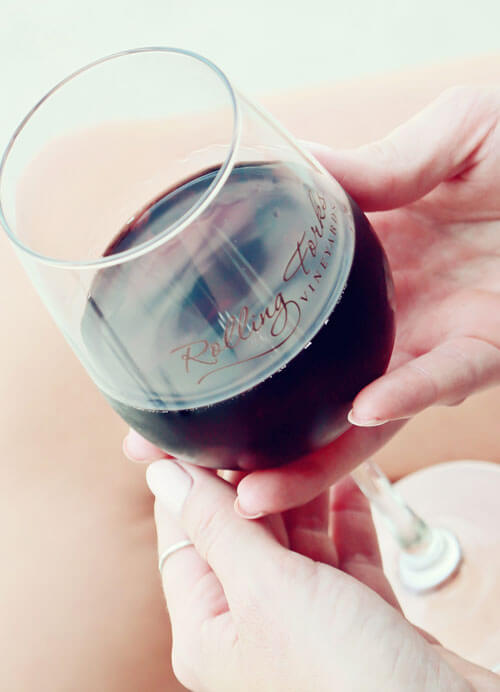
Swirling the wine in the glass and taking a deep sniff before tasting can unlock these complex aromas. This practice provides clues about the wine's characteristics and origins.
Exploring the Finish
Lastly, the finish – the taste that lingers after you swallow the wine – offers insights into its quality and complexity. You often perceive a longer, more pleasant finish as a sign of a higher-quality wine. Additionally, you can pay attention to the wine's body. Body ranges from light to full depending on the alcohol content and how you feel it in your mouth. Now, you're further enhancing your understanding of its profile.
Identifying Wine's Flavor Profiles
You identify different flavor profiles in wine by tasting for basic flavors, discerning the various aromas, and appreciating the wine's body and finish. With practice, these steps lead to a more enriching wine experience. Now, you can savor the depth and breadth of flavors wines have to offer. Remember, patience, practice, and, most importantly, enjoyment of the journey of discovery are key to mastering wine tasting.
Enriching Our Lives With Wisdom
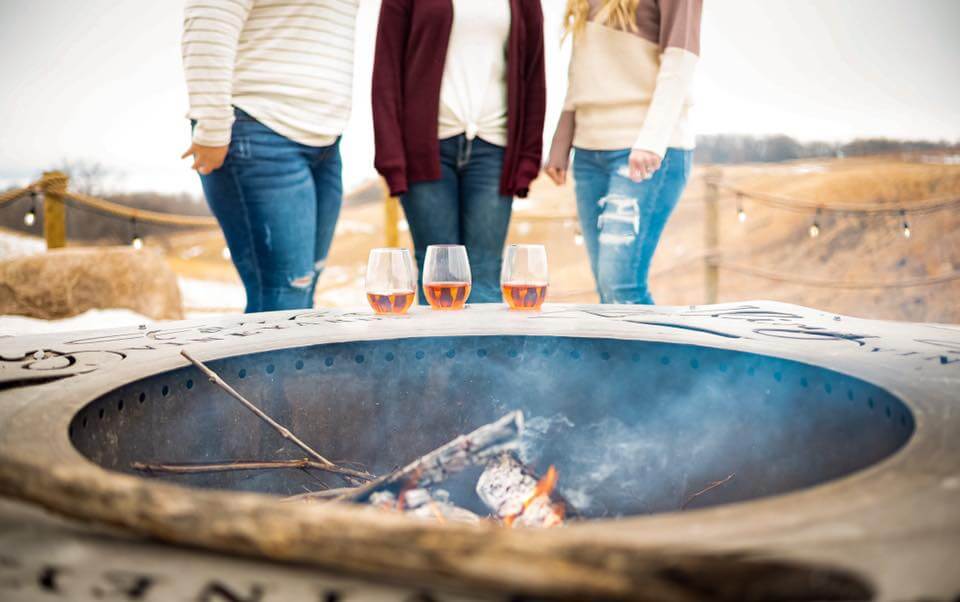
As you delve deeper into this practice, you transform each bottle into more than just a drink; it becomes a vessel of memories. When you uncork a bottle with friends or family, you don't just share a beverage; you share an experience filled with laughter, stories, and connections that deepen with every sip.
Discovering the Nuances
Understanding the nuances of wine adds a new layer to these gatherings. When you identify the hints of cherry or notes of oak in a red wine, you spark a conversation that invites everyone to share their own impressions. This exchange fosters camaraderie as friends and family bond over shared discoveries. Each person's unique palate contributes to a richer tapestry of flavors that reflects not just the wine itself but the personalities and experiences of everyone present.
Creating a Narrative
When you share a bottle of wine with a personal story—perhaps one enjoyed during a memorable vacation or gifted by a cherished friend—you create a narrative that enhances the moment. As the wine opens up, both in flavor and in conversation, you find yourselves reminiscing about the past. This intertwining of taste and memory solidifies connections, turning the experience of drinking wine into a shared journey rather than a solitary indulgence.
Enriching Life and Connections
Ultimately, by gaining a deeper understanding of wine, you enrich your life by enhancing your sensory experiences and fostering meaningful connections with those around you. Wine leaves a lasting impression—not just of its own character, but of the laughter shared, the stories exchanged, and the moments cherished. In this way, wine becomes a catalyst for connection, making each gathering a memorable celebration of life and relationships.