March 16, 2026
The New Northern Frontier: Wine Varieties Redefining “Cold-Hardy”
While "Noble Grapes" like Cabernet and Chardonnay soak up the sun in temperate valleys, a new frontier of viticulture is thriving in the frost. Northern wines—defined by bracing acidity, ethereal aromatics, and incredible resilience—are no longer just a curiosity; they are a masterclass in cool-climate tension.
From the snow-covered vineyards of the American Midwest to the historic slopes of Central Europe, these varieties are redefining what it means to be a "Northern" wine.
Brianna: The Tropical Surprise
Brianna is a cold-hardy white grape that surprises everyone with its tropical personality. Usually grown in places where you’d expect only corn or wheat, it produces wines that smell like a Caribbean vacation.
A triumph of American breeding, Brianna was originally developed by Elmer Swenson, the "godfather" of cold-hardy grapes. Swenson was a dairy farmer from Wisconsin who spent his life experimenting with vines in his backyard. Brianna was released in 2001 and was initially intended as a table grape because of its massive, juicy berries. However, winemakers soon discovered that when harvested early, it produced a wine with shocking notes of pineapple and mango—tropical flavors that seemed impossible coming from the frozen soils of the Great Plains.
- Tasting Profile: Pineapple, Mango, Honeysuckle, Green Apple.
- Where it Grows: Nebraska, Iowa, Minnesota, South Dakota.
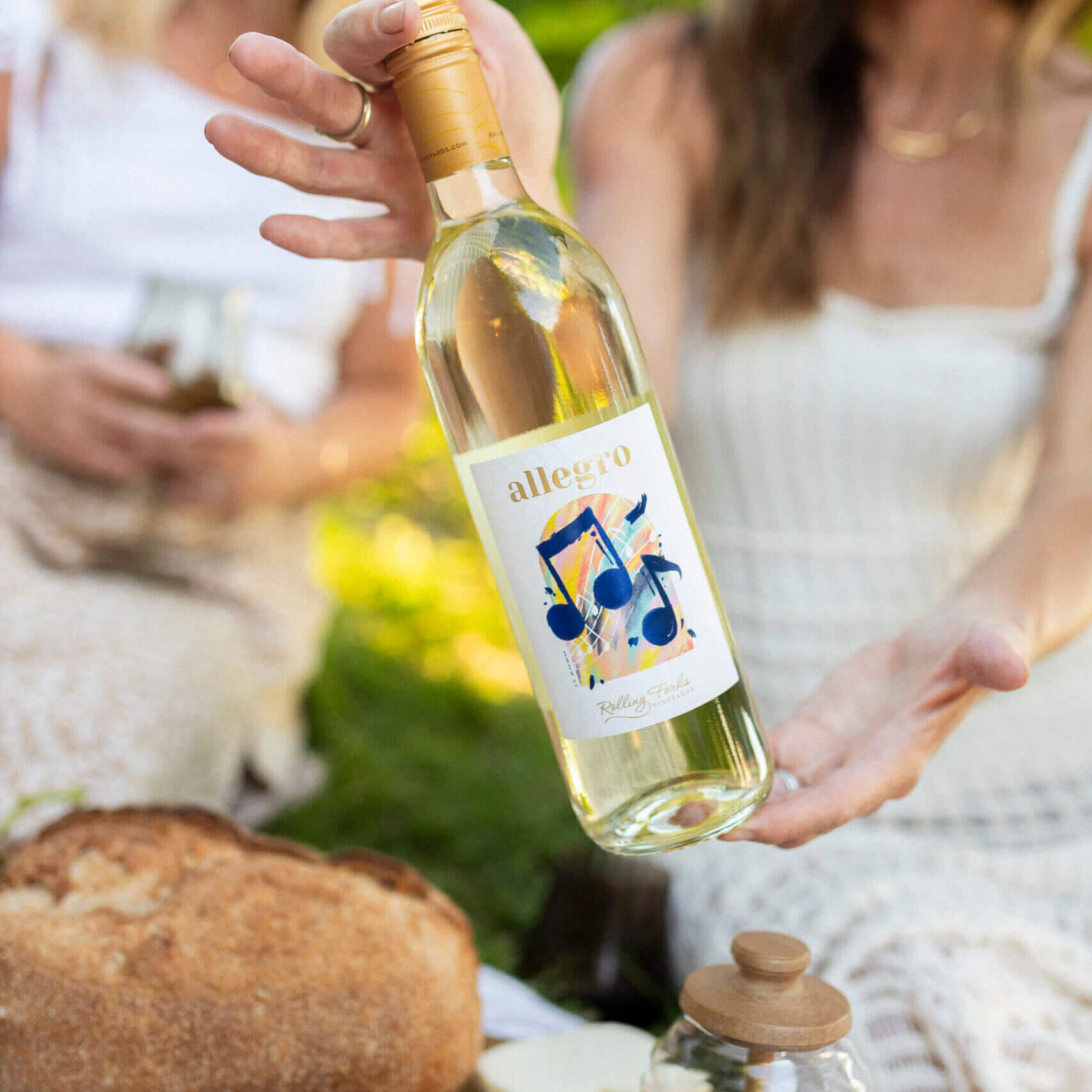
- Top-Tier Example: Rolling Forks Vineyards "Allegro" (Minnesota). A 96-point perennial gold-medal winner, this wine captures the essence of the grape with lush pineapple aromatics and a zesty acidity. Critics have described it as a seductive light-bodied fare, balancing "lemon drop hard candy" flavors with an aromatic profile reminiscent of papaya and the sweet plumeria flowers found in Hawaiian leis.
- If you like Moscato or Torrontés, try this. Brianna shares that same highly aromatic, floral, and tropical intensity, making it a perfect alternative for those who enjoy expressive, fruit-forward whites. Like Moscato, it offers a "perfumed" nose of white flowers, while mirroring the exotic, stone-fruit richness and distinct lack of heavy oak found in the best Argentinian Torrontés.
La Crescent: The Cold-Hardy Aromatist
Released in 2002 by the University of Minnesota, La Crescent is the result of a quest to create a grape that combined the ruggedness of wild North American vines with the sophisticated aromatics of Europe’s finest whites. Its lineage includes Muscat of Hamburg, giving it a floral complexity that was previously unthinkable in the "frozen" north. It was named after the town of La Crescent, Minnesota—the "Apple Capital of Minnesota"—symbolizing a new era where vines would stand alongside orchards in the Midwest. It is the white-wine standard-bearer for cold-climate viticulture.
- Tasting Profile: Apricot, Peach, Lime Zest, Honeycomb.
- Where it Grows: Minnesota, Vermont, New York (Finger Lakes).
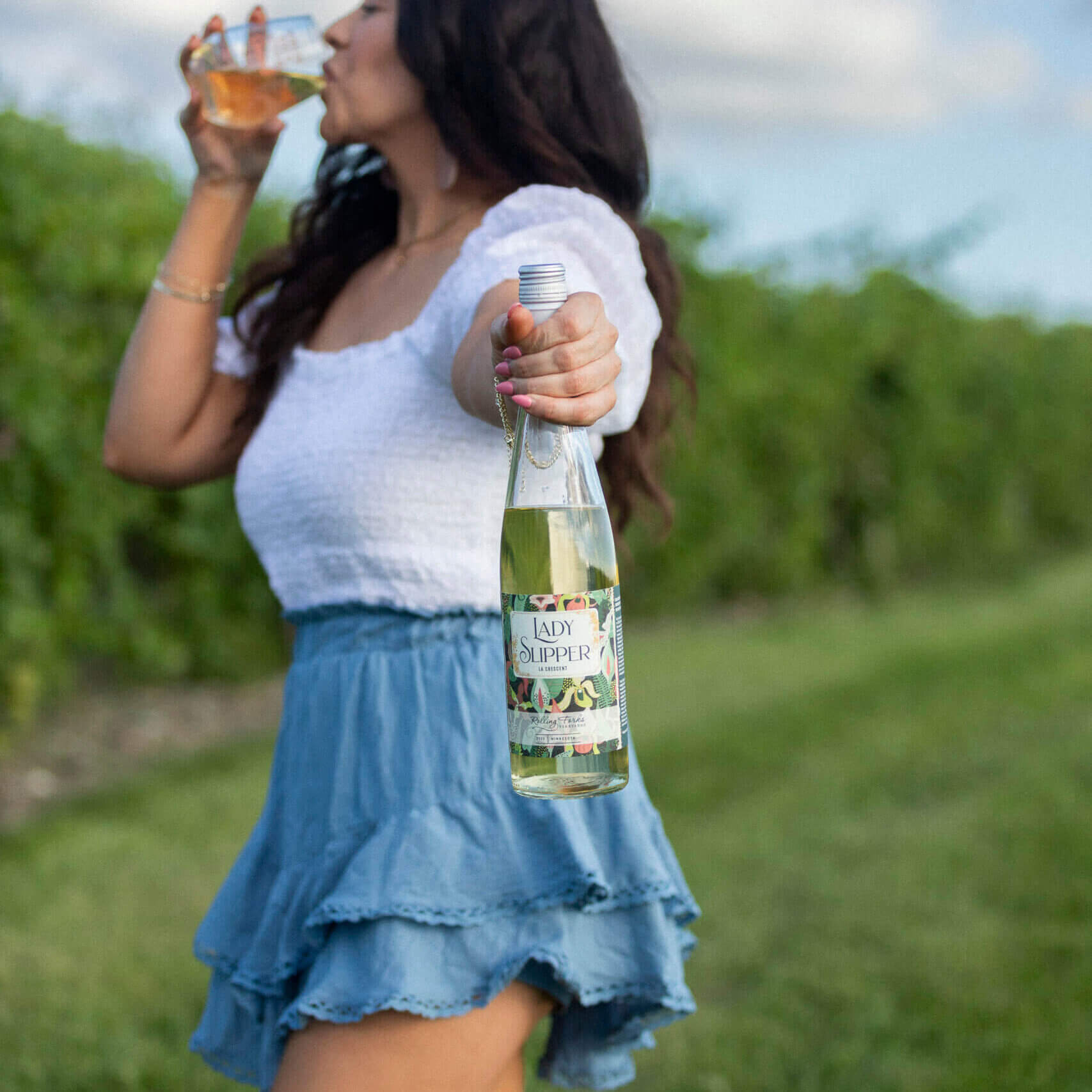
- Top-Tier Example: Rolling Forks Vineyards "Lady Slipper" (Minnesota). This supremely floral expression of the La Crescent grape has been compared to fine Swiss white wines. It features a complex bouquet of pineapple and passion fruit, matched with flavors of peach slices drizzled in honey and a trace of orange sorbet. The wine is lightly sweet, maintaining just enough acidity to remain perfectly balanced.
- If you like Riesling or Grüner Veltliner, try this. Like a classic German Riesling, La Crescent possesses a high-acid structure often balanced by a touch of residual sugar, offering that same "electric" mouthfeel and stone fruit profile. It also captures the mineral precision of a Grüner Veltliner, providing a crisp, refreshing finish that cleanses the palate while delivering layers of citrus and white-fleshed fruit.
Marquette: The Pinot Noir of the North
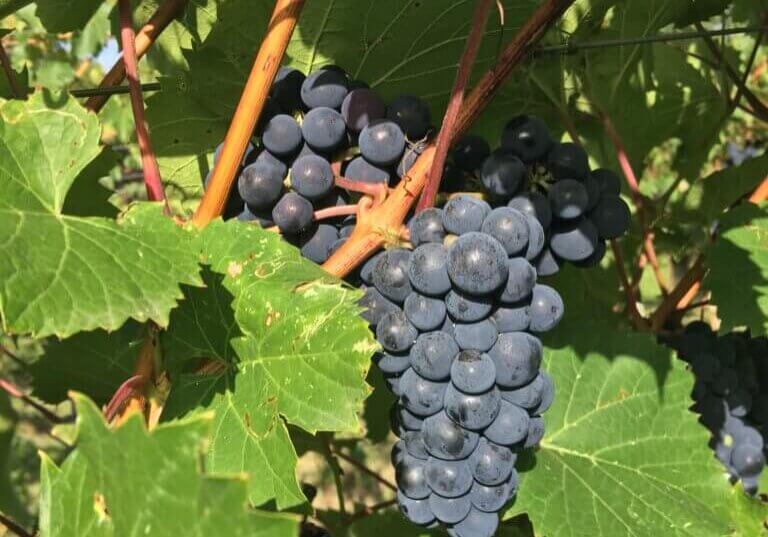
Marquette is widely considered the crown jewel of northern red viticulture. A cousin to Pinot Noir and a grandson of Frontenac, Marquette was introduced by the University of Minnesota in 2006. Its debut marked a turning point for cold-climate winemaking, as it provided growers with a grape capable of producing deep color, high sugar levels, and—most importantly—manageable tannins that stand up beautifully to oak aging.
The variety was specifically bred to withstand the brutal continental winters of the Midwest while maintaining a "Vitis vinifera" sensibility. Its complex ancestry allows it to thrive in conditions that would kill traditional European vines, yet it retains a refined profile that avoids the "foxy" or overly rustic characteristics often associated with older hybrids. For northern growers, Marquette is more than just a grape; it is a signature variety that offers a true sense of elegance and aging potential in a region once thought only suitable for whites.
- Tasting Profile: Tart Cherry, Black Pepper, Plum, Tobacco.
- Where it Grows: Minnesota, Wisconsin, Vermont, Michigan.
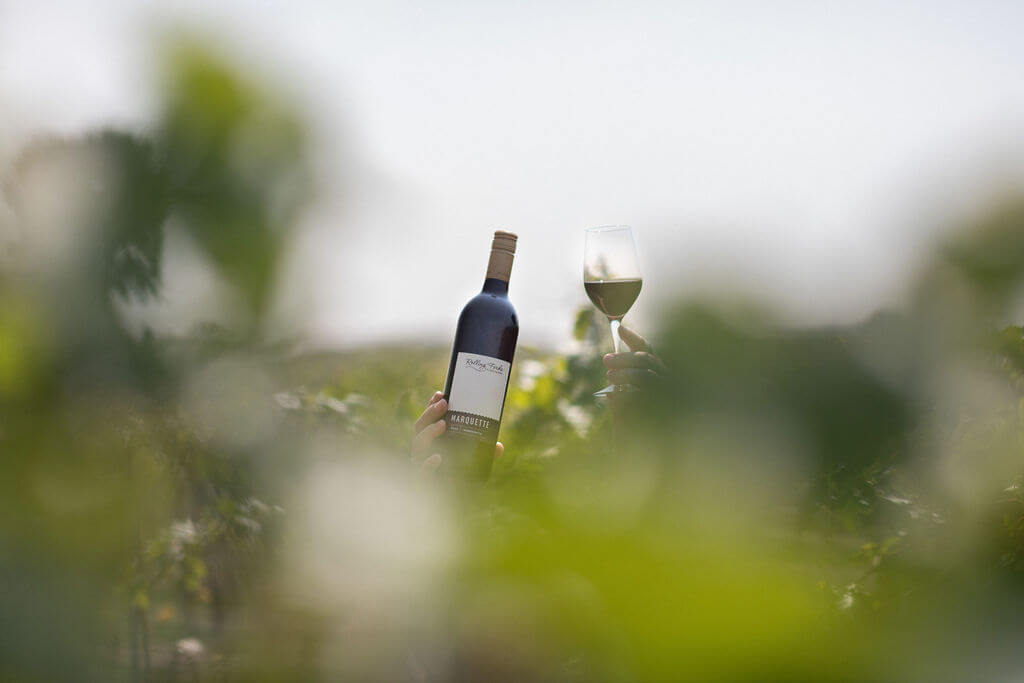
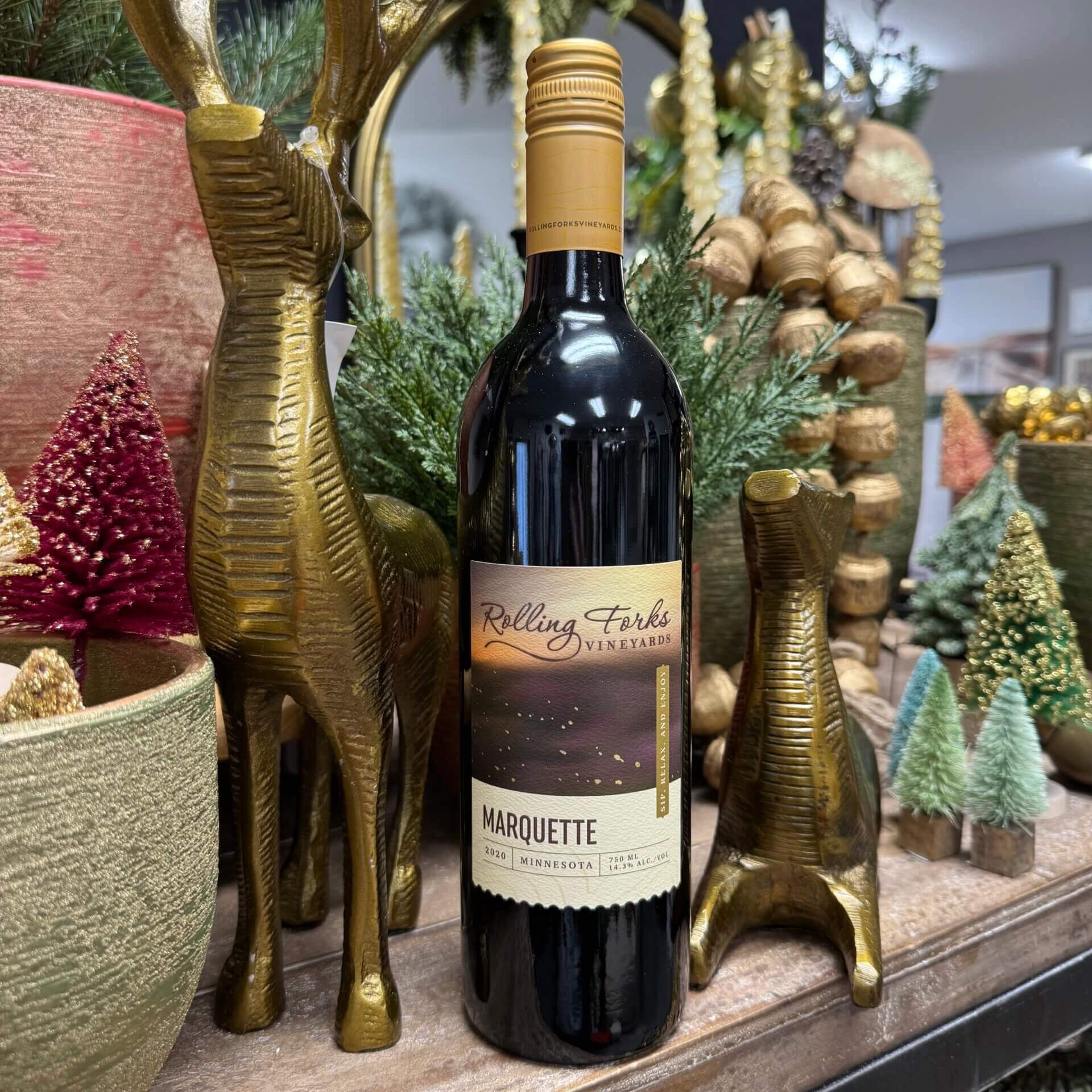
- Top-Tier Example: Rolling Forks Vineyards Marquette (Minnesota). A flagship of the Minnesota industry, this wine is grown on south-facing hills ideally suited for extended maturation in oak barrels. It boasts vibrant notes of black currant, cherry, and black pepper, with moderate tannins and a smooth finish. Its quality is backed by prestigious accolades, including a Double Gold at the San Francisco Chronicle International Wine Competition and a 2024 Gold at the Catad’Or Wine Awards in Chile.
- If you like Pinot Noir or Syrah, try this. Marquette sits in the middle ground—it has the bright cherry acidity and translucence of a Pinot Noir, but with the spicy, peppery kick found in a cool-climate Syrah. From Pinot Noir, it borrows a graceful, light-to-medium body and red-fruit core; from Syrah, it takes a savory edge and dark-spice undertones that provide a more rugged, structural complexity.
Frontenac Blanc: The Citrus Powerhouse
Frontenac Blanc is a testament to the happy accidents of nature. A white-fruited mutation of the original Frontenac red grape, Frontenac Blanc was first identified in a vineyard in 2005. While its red predecessor was known for deep color and high acidity, this spontaneous genetic shift created a grape with brilliant yellow-gold berries that retained the family's legendary "iron-clad" resistance to cold. It can survive temperatures that would devastate nearly any other commercial vine, making it a cornerstone of viticulture in the most extreme northern climates.
Beyond its hardiness, Frontenac Blanc has become a favorite among winemakers for its incredible versatility. Because it naturally carries high sugar and high acidity, it can be styled in an array of formats: from bone-dry, laser-focused table wines to rich, barrel-fermented reserves and even sparkling "crémant" styles. It has effectively redefined the white wine landscape of the Midwest and Quebec, proving that a cold-weather grape can offer the same structural complexity as the great whites of the Loire Valley or the Jura.
- Tasting Profile: Pear, Green Apple, Grapefruit, Tropical Fruit.
- Where it Grows: Quebec (Canada), Minnesota, New Hampshire.
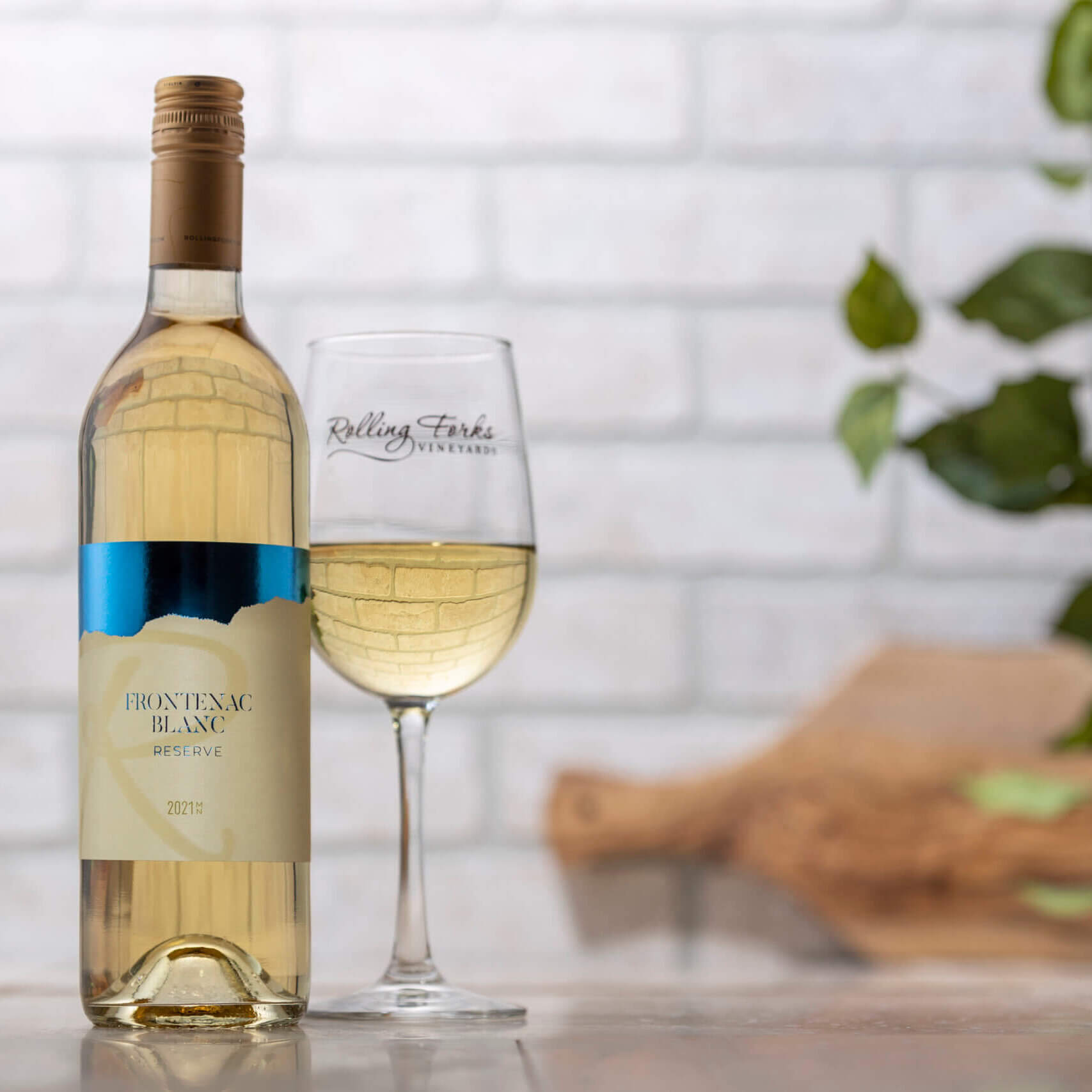
- Top-Tier Example: Rolling Forks Vineyards Frontenac Blanc Reserve (Minnesota). Described as a "tropical paradise," this creamy reserve wine is filled to the brim with aromas and flavors of lemon curd, coconut, and a wisp of papaya. A unique complexity is found in the background, where a warm, spicy note—reminiscent of a melting vanilla-scented candle—adds a sophisticated layer to this bold northern white.
- If you like Sauvignon Blanc or Chenin Blanc, try this. It shares the bracing, citrus-driven acidity of a Sauvignon Blanc but often carries the "weight" and honeyed tree-fruit characteristics of a high-quality Chenin Blanc. Like a Sancerre, it can be racy and mineral-forward, yet it possesses a "waxy" texture and stone-fruit richness that enthusiasts of aged Vouvray will immediately recognize.
Petite Pearl: The Structural Anchor
Petite Pearl represents a major milestone in the quest for high-quality northern reds. Developed by private breeder Tom Plocher and released in 2010, this variety was born from a specific need: to find a grape that could provide the structural tannins often missing in cold-hardy hybrids. While many northern reds are prized for their bright fruit and high acidity, they often lack the "grip" and mouthfeel that allow a wine to age gracefully in a cellar. Petite Pearl changed that dynamic.
Named for its small, pearl-like berries, the variety is characterized by thick skins and deep pigment. These physical traits translate into a wine with substantial tannin and a complex flavor profile that leans toward savory and dark-fruit notes. Plocher’s work in his Minnesota vineyard has given growers a "winemaker's grape"—a variety that doesn't just survive the winter, but provides the necessary architecture for sophisticated, world-class blends. It is often used to add weight and longevity to other varieties, acting as the structural anchor that allows the northern wine industry to compete with more temperate regions in the production of dry, age-worthy red wines.
- Tasting Profile: Blackberry, Plum, Forest Floor, Savory Spice.
- Where it Grows: Minnesota, Vermont, Wisconsin, Quebec.
- Top-Tier Examples: Rolling Forks Vineyards "Melodia" and "Harmony" (Minnesota). These two distinct red blends utilize Petite Pearl as their structural backbone. In Melodia, the grape provides the necessary weight and earthy depth, while Harmony showcases the variety's ability to create a seamless, sophisticated palate with refined tannins and a long, savory finish.
- If you like Merlot or Cabernet Franc, try this. Petite Pearl offers the plush dark fruit and velvety texture of Merlot combined with the savory, earthy, and herbal undertones often found in cool-climate Cabernet Franc. Like Merlot, it provides a "fleshy" mid-palate of plum and blackberry, while its structural finish and hint of bell pepper or dried herbs mirror the complex, cool-weather elegance of a Loire Valley red.
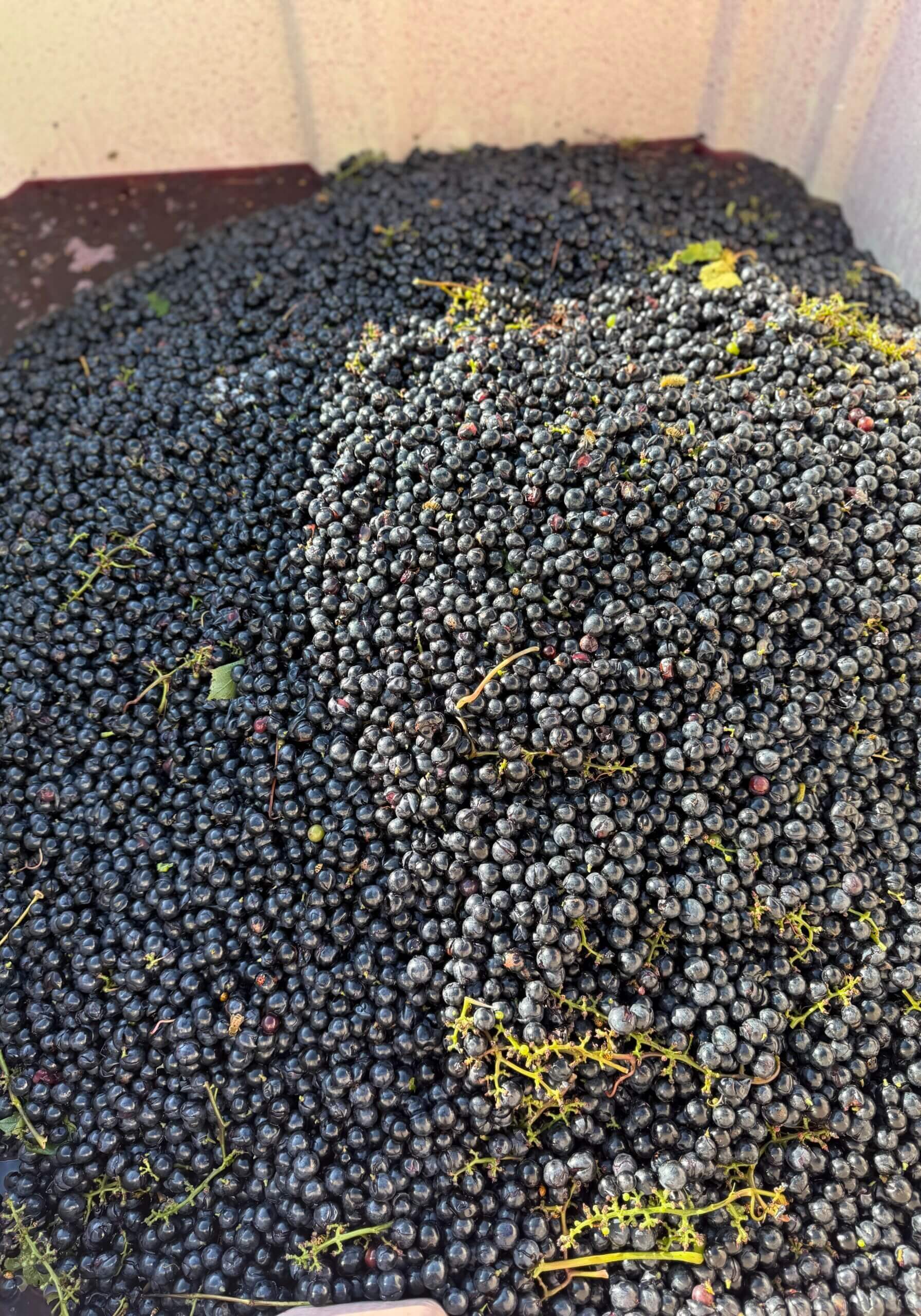
The Northern Identity: A Global Recognition
What unites these varieties is tension. Whether it’s the cold-resistance of La Crescent or the savory snap of Grüner Veltliner, northern wines are defined by their ability to stay fresh in a warming world. For years, these grapes were viewed as regional curiosities, but international wine competitions are now reporting a massive shift in quality and perception.
At the San Francisco Chronicle Wine Competition, judges have noted that cold-hardy hybrids like La Crescent and Brianna are no longer just "surviving" the climate; they are competing for top honors against established international varieties. In recent years, "Best of Class" awards have increasingly gone to northern-grown hybrids, including Rolling Forks Vineyards’ 2024 Allegro (Brianna), with judges praising their "unmatched aromatic intensity and structural purity."
Panel chairs have described the current era of northern viticulture as a "golden age of freshness," where the high natural acidity—once seen as a challenge—is now the most sought-after trait for a warming planet.
As the wine world looks for balance, these varieties represent the new frontier. They are the wines of the future: resilient, expressive, and deeply rooted in a true sense of place.
| If you like... | Try this Northern Variety | Because they share... | Primary Tasting Notes |
|---|---|---|---|
| Moscato or Torrontés | Brianna | Intense aromatic/floral profile; tropical fruit dominance. | Pineapple, Mango, Honeysuckle |
| Riesling or Grüner Veltliner | La Crescent | High-acid structure; "electric" mouthfeel and stone fruit. | Apricot, Peach, Lime Zest |
| Pinot Noir or Syrah | Marquette | Bright cherry acidity (Pinot) with a savory, peppery kick (Syrah). | Tart Cherry, Black Pepper, Plum |
| Sauvignon Blanc or Chenin Blanc | Frontenac Blanc | Bracing citrus acidity (Sauvignon) and waxy texture (Chenin). | Pear, Green Apple, Grapefruit |
| Merlot or Cabernet Franc | Petite Pearl | Plush dark fruit (Merlot) with earthy/herbal undertones (Cab Franc). | Blackberry, Forest Floor, Savory Spice |
Don't Miss a thing